2026-09-24 ·
Structural Design Inputs for Wind, Snow and Seismic Conditions
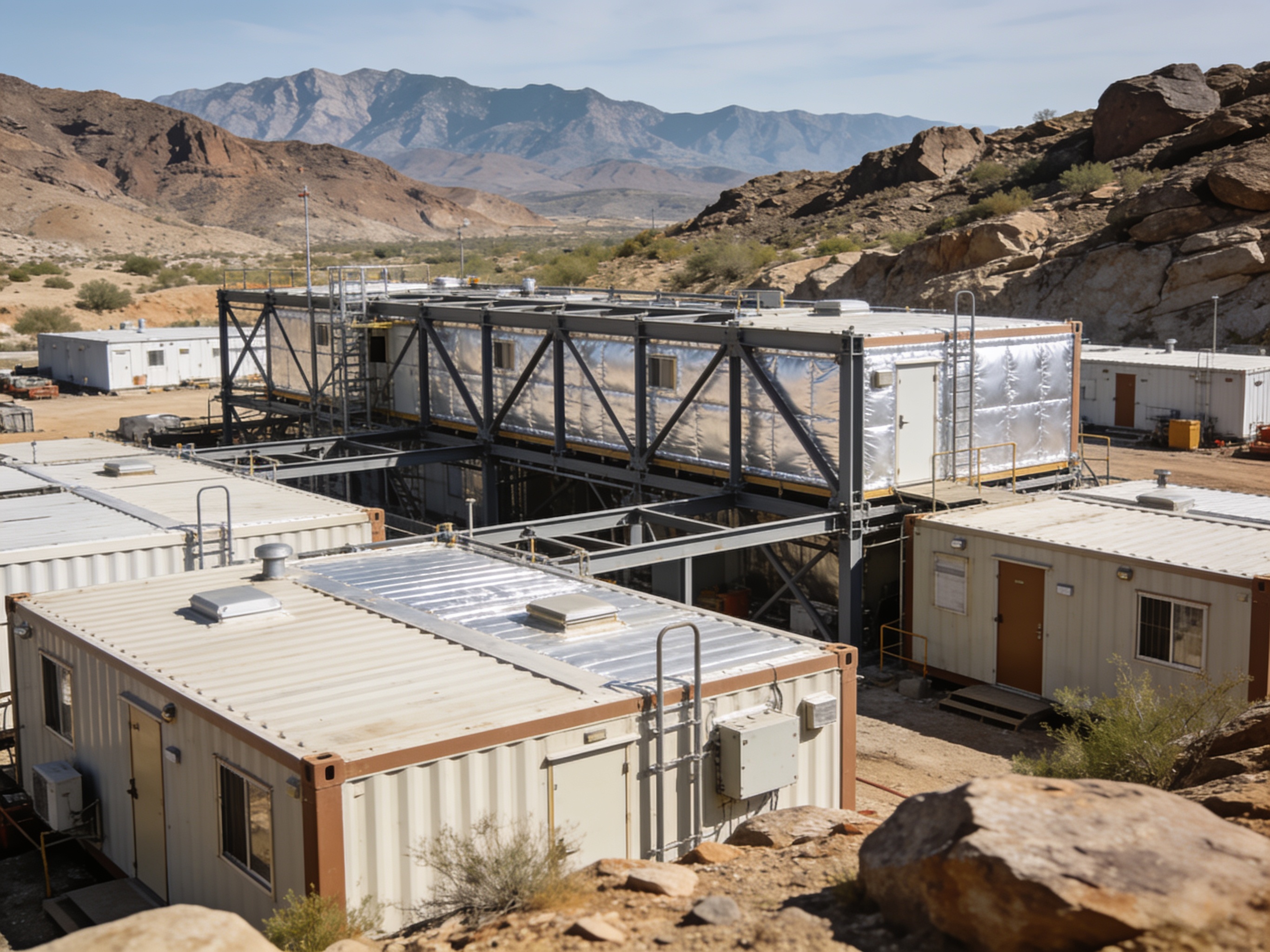
When procuring modular buildings for projects in diverse global environments, accurately defining the structural design inputs for wind, snow, and seismic conditions is a critical first step. Project teams should provide specific data such as design wind speeds (e.g., 180 km/h or 112 mph), ground snow loads (e.g., 2.5 kPa or 52 psf), and seismic design categories (e.g., Site Class D, SDS 0.75g) relevant to the project site. These parameters are not merely suggestions but fundamental requirements that directly influence the building's structural integrity and suitability for long-term operation in challenging locations, from the high desert plains of Saudi Arabia to the sub-arctic regions of Canada.
Wind Load Considerations
Wind loads are a primary concern for any structure, especially modular buildings deployed in exposed, remote, or coastal areas. To ensure robust performance, procurement teams must provide design wind speed and exposure category specific to the project location. Design wind speed, often expressed in kilometers per hour (km/h) or miles per hour (mph), represents the maximum wind speed the structure is expected to withstand. The exposure category (e.g., Exposure C for open terrain with scattered obstructions, or Exposure D for flat, unobstructed areas like coastlines) accounts for the terrain's influence on wind flow, affecting how wind pressures are distributed across the building's surfaces. Specifying these details prevents under- or over-engineering, optimizing material use and ensuring appropriate structural resilience. Consideration of factors like building height and proximity to other structures can also influence the effective wind pressures.
Project managers should also consider the importance factor for wind loads, which reflects the building's occupancy and criticality. For example, a mission-critical control room or modular site office in a remote mining operation might require a higher importance factor than a temporary storage facility, leading to more conservative design parameters. Without these precise inputs, a modular building might not offer the necessary level of protection for personnel and equipment during severe weather events. Detailing these aspects upfront streamlines the procurement process and ensures that the modular units are fit for purpose, whether they are part of a complete remote camp or standalone units.
Snow Load Specifications
In regions experiencing significant snowfall, such as mountainous areas or northern latitudes, snow loads become a critical structural design input. Project specifications must clearly state the ground snow load, typically measured in kilopascals (kPa) or pounds per square foot (psf). This value represents the weight of snow accumulated on the ground in a given area. However, the actual snow load on a building's roof can differ due to factors like roof geometry, thermal properties, and drifting. Therefore, it is also beneficial to specify the flat roof snow load if available, or provide sufficient information for its calculation.
Additional considerations for snow loads include the exposure factor, which accounts for the degree to which a roof is exposed to wind (e.g., sheltered, partially exposed, or exposed), and the thermal factor, which considers heat loss from the building that might melt snow. For cold climate modular buildings, these factors are particularly important to prevent excessive snow accumulation, potential roof damage, or even collapse. Procurement teams should provide detailed site information, including elevation, average annual snowfall, and typical wind patterns, to allow for accurate snow load assessment. This ensures that modular structures, from workforce accommodation to specialized facilities, are designed to safely bear expected snow accumulation over their operational lifespan.
Seismic Design Parameters
For projects located in seismically active zones, defining seismic design parameters is non-negotiable. Key inputs include the Seismic Design Category (SDC), which classifies structures based on occupancy importance and the severity of ground motion at the site. This category, ranging from A (very low seismic risk) to F (very high seismic risk), dictates the stringency of seismic detailing required. Alongside the SDC, project teams should provide the site class (e.g., A for hard rock, F for very soft soils), which describes the soil characteristics and their influence on seismic wave propagation. The spectral response acceleration parameters (Ss and S1), which represent the short-period and 1-second period spectral accelerations, are also vital for a comprehensive seismic analysis.
These parameters are derived from geological surveys and seismic hazard assessments for the specific project site. Providing these detailed inputs enables the appropriate selection of structural systems and connections to withstand anticipated ground motions. Similar to wind loads, the importance factor for seismic design plays a crucial role, reflecting the consequences of building failure. For example, essential facilities like emergency command centers or critical infrastructure buildings will require a higher importance factor, leading to more robust seismic detailing. Accurate seismic inputs are fundamental for ensuring the safety and operational continuity of modular facilities in earthquake-prone regions, safeguarding both personnel and critical operations.
Defining precise structural design inputs for wind, snow, and seismic conditions is not merely a compliance exercise but a foundational step in securing durable and safe modular buildings for any remote or industrial project. Project teams must prioritize providing comprehensive, site-specific data to ensure the delivered structures meet the exact demands of their operational environment. Discuss Your Project with Tough Modular to ensure your specifications are fully met.