2026-09-24 ·
Site Access, Roads, Cranes and Module Placement
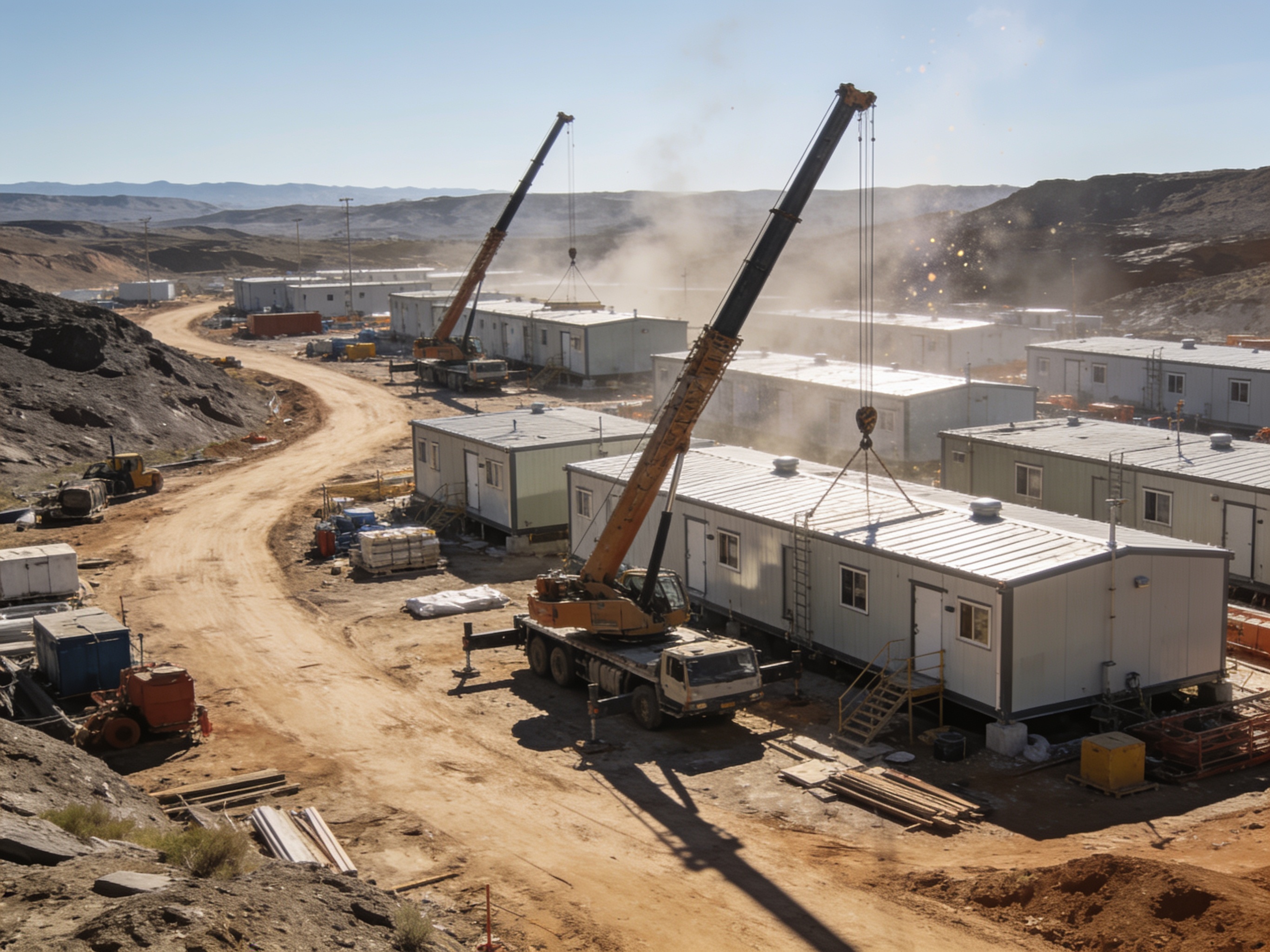
Successful placement of modular buildings on remote and industrial sites hinges on meticulous planning for site access, internal roads, crane operations, and module handling. Project teams must consider these factors from the earliest stages of site development, often before the modular units are even manufactured. Neglecting these aspects can lead to substantial project delays, increased costs, and potential safety hazards. For instance, inadequate road conditions might necessitate additional heavy equipment, or an incorrectly sized crane could prevent modules from being lifted into their final positions, disrupting the entire construction schedule.
Site Access and Road Network Planning
Establishing a robust site access and internal road network is paramount for the efficient delivery and placement of modular buildings. The primary access route to the project site must be capable of supporting the weight and dimensions of heavy-haul transport vehicles carrying modular units. This includes assessing bridge capacities, turning radii at intersections, and overhead clearances. Once on site, a well-planned internal road system is essential. These roads must be wide enough for two-way traffic of transport vehicles and cranes, with sufficient load-bearing capacity to prevent vehicles from getting bogged down, especially in challenging terrain or during adverse weather conditions. Consider the long-term use of these roads; they may need to support ongoing operations for modular workforce accommodation or modular site offices throughout the project's duration.
Key considerations for road planning include:
- Surface Material: Depending on soil conditions and climate, roads may require gravel, compacted earth, or even temporary matting to ensure stability and prevent erosion.
- Width and Turning Radii: Roads must accommodate the full turning radius of transport trucks and cranes, particularly at intersections and around building pads. A minimum width of 12–15 meters for main access roads is often a practical starting point.
- Gradient and Drainage: Steep grades can be challenging for heavy vehicles; ensure gradients are manageable. Effective drainage is crucial to prevent water accumulation and road degradation, especially in regions prone to heavy rainfall or snowmelt.
- Obstruction Clearance: Clearances for overhead power lines, bridges, and vegetation must be verified along the entire route, from public roads to the final placement pads.
Crane Selection and Placement Strategy
The selection of the appropriate crane is a critical decision directly impacting the feasibility and cost of modular building placement. This choice is driven by several factors, including the weight and dimensions of the heaviest module, the lift radius required to place modules onto their foundations, and the site conditions. A detailed lift plan, developed by a qualified professional, is indispensable. This plan will specify the crane type, boom length, outrigger placement, and lift sequence. For projects involving complete remote camps and project compounds, multiple cranes or a phased approach may be necessary.
Factors influencing crane selection and strategy:
- Module Weight and Dimensions: Obtain precise weight and dimension specifications for each module from the supplier. This data is the primary driver for crane capacity requirements.
- Lift Radius and Height: Determine the maximum horizontal distance (radius) and vertical height the crane needs to reach from its setup location to the furthest module placement point. This often dictates the crane's boom length and configuration.
- Ground Bearing Pressure: Cranes, especially large mobile cranes, exert significant ground pressure through their outriggers. The ground beneath the crane setup area must be prepared to safely support this load, potentially requiring compaction, matting, or temporary foundations.
- Accessibility: Ensure the crane can safely access its setup location, maneuver into position, and deploy its outriggers without obstructions. Consider the swing radius of the crane's counterweight.
- Weather Conditions: High winds can severely limit crane operations. Factor potential weather delays into the project schedule, especially for projects in exposed or challenging environments.
Module Handling and Placement Logistics
Beyond the crane itself, the overall logistics of module handling and placement require careful orchestration. This includes the sequence of module delivery, temporary storage areas, and the precise alignment and securing of units onto their foundations. Communication between the transport team, crane operators, and site supervisors is vital to ensure a smooth, safe, and efficient process. For projects requiring specialized solutions, such as cold climate and arctic modular buildings or those for desert and high-heat modular buildings, environmental factors can add complexity to handling procedures, potentially requiring specific equipment or protocols.
Key aspects of module handling and placement: