2026-09-24 ·
Planning Utilities for Large Workforce Camps
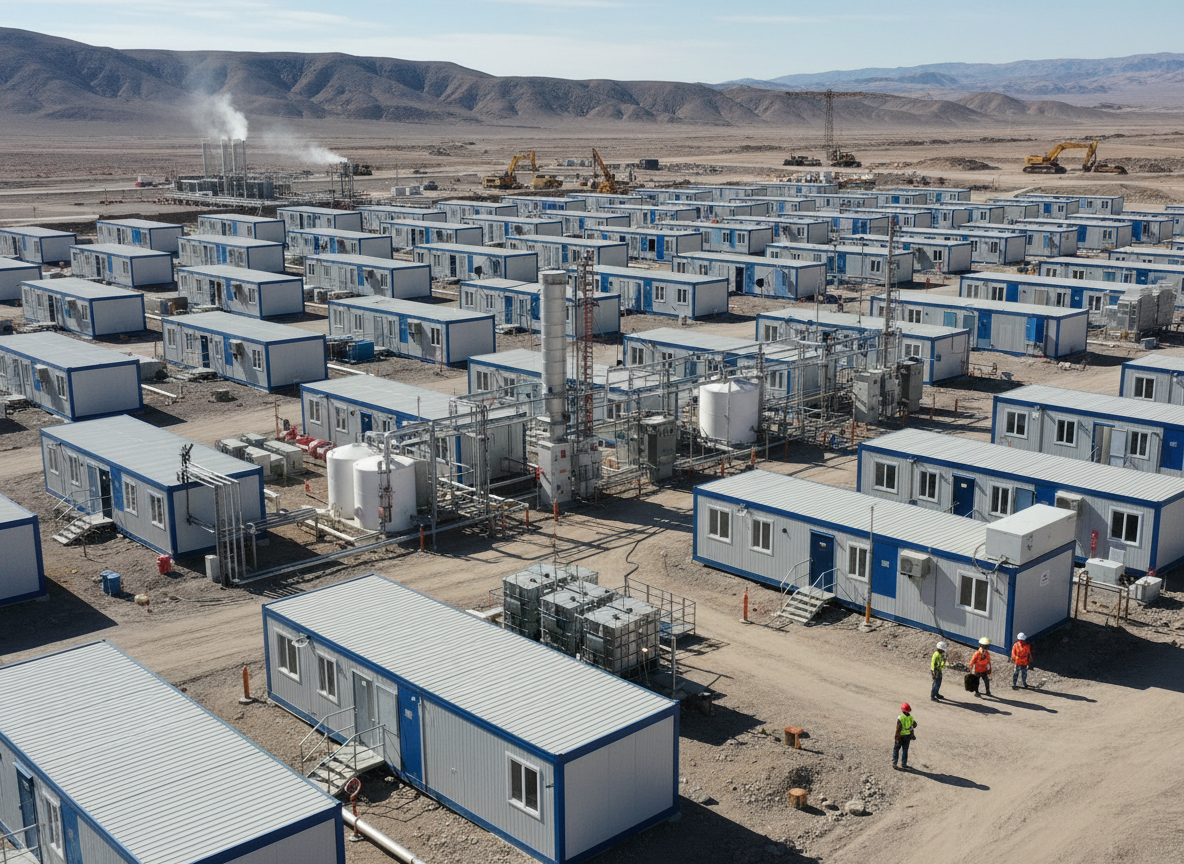
Planning utilities for large workforce camps involves a detailed assessment of projected demand for water, wastewater treatment, electrical power, and communication infrastructure, which typically requires 6 to 18 months of lead time for design, procurement, and implementation, depending on camp size and remoteness. For example, a camp housing 500 personnel might consume 15,000 to 25,000 gallons of potable water daily, generate similar volumes of wastewater, and require 500 kW to 1 MW of continuous power. These figures are highly dependent on factors like climate, camp amenities, and operational demands, necessitating early and precise specification to avoid costly delays or operational shortfalls.
Water Supply and Management
Securing a reliable water supply is foundational for any remote workforce camp. Project teams must first determine the daily water demand per person, considering drinking, sanitation, laundry, and any industrial processes. This can range from 30 to 50 gallons per person per day in temperate climates, escalating in arid regions or with high-demand activities. Potential sources include groundwater wells, surface water bodies, or trucked-in water, each presenting distinct challenges and requiring specific treatment protocols. For groundwater, hydrogeological surveys are crucial to assess aquifer yield and water quality. Surface water sources often necessitate more extensive filtration and disinfection systems.
Once a source is identified, the water treatment system must be specified. This includes technologies like reverse osmosis for brackish water, ultrafiltration for turbidity, and chlorination or UV sterilization for pathogen control. Storage capacity is also critical, typically requiring 3 to 7 days of reserve supply to buffer against supply interruptions or maintenance. Distribution networks within the camp must be designed for appropriate pressure and flow rates to all facilities, from kitchens to modular workforce accommodation units. Specifying these parameters accurately prevents water shortages and ensures health standards are met.
Wastewater Treatment and Disposal
Effective wastewater management is equally vital for environmental compliance and camp hygiene. The volume of wastewater generated will closely mirror water consumption, necessitating robust wastewater treatment plants (WWTPs). Project teams need to specify the required treatment level, which is often dictated by local environmental regulations for discharge. Options range from basic septic systems for very small, short-term camps to advanced biological treatment systems (e.g., activated sludge, membrane bioreactors) for larger, long-term operations.
Key specifications for a WWTP include its design capacity (e.g., 20,000 gallons per day), the effluent quality required (e.g., biochemical oxygen demand, total suspended solids, nutrient removal), and the disposal method for treated water. This could involve direct discharge, irrigation, or evaporation ponds. Sludge management also needs careful planning, including dewatering, stabilization, and disposal. The modular nature of many camp facilities, such as complete remote camps and project compounds, means that wastewater systems often need to be scalable and adaptable to varying camp sizes and durations.
Power Generation and Distribution
Reliable electrical power is non-negotiable for modern workforce camps. The first step in planning is to conduct a detailed load assessment for all camp facilities, including living quarters, kitchens, laundries, modular site offices, and any industrial loads. This assessment should account for peak demand, average demand, and future expansion. For a camp of 1,000 people, total demand could easily exceed 2 MW.
Primary power generation typically relies on diesel generators, specified by their continuous and standby ratings. Considerations include fuel storage capacity (e.g., 30-day supply), redundancy (N+1 or N+2 configurations), and maintenance requirements. For remote sites, fuel logistics can be a significant cost and operational challenge. Increasingly, hybrid systems integrating solar PV or wind power with battery storage are being considered to reduce fuel consumption and emissions. The power distribution network within the camp must be designed for safety and efficiency, specifying voltage levels, transformer requirements, and underground or overhead cabling systems. All components must be robust enough to withstand the operational environment, whether in cold climate and arctic modular buildings or desert conditions.
Communication Infrastructure
Maintaining effective communication is crucial for operational efficiency, safety, and personnel morale in remote camps. Project teams must specify requirements for both internal and external communication systems. Internal systems typically include a local area network (LAN) for data and voice over IP (VoIP), often extending to individual accommodation units and common areas. This requires robust cabling (fiber optic preferred for backbone) and Wi-Fi access points.