2026-09-24 ·
Phased Expansion of Remote Camps
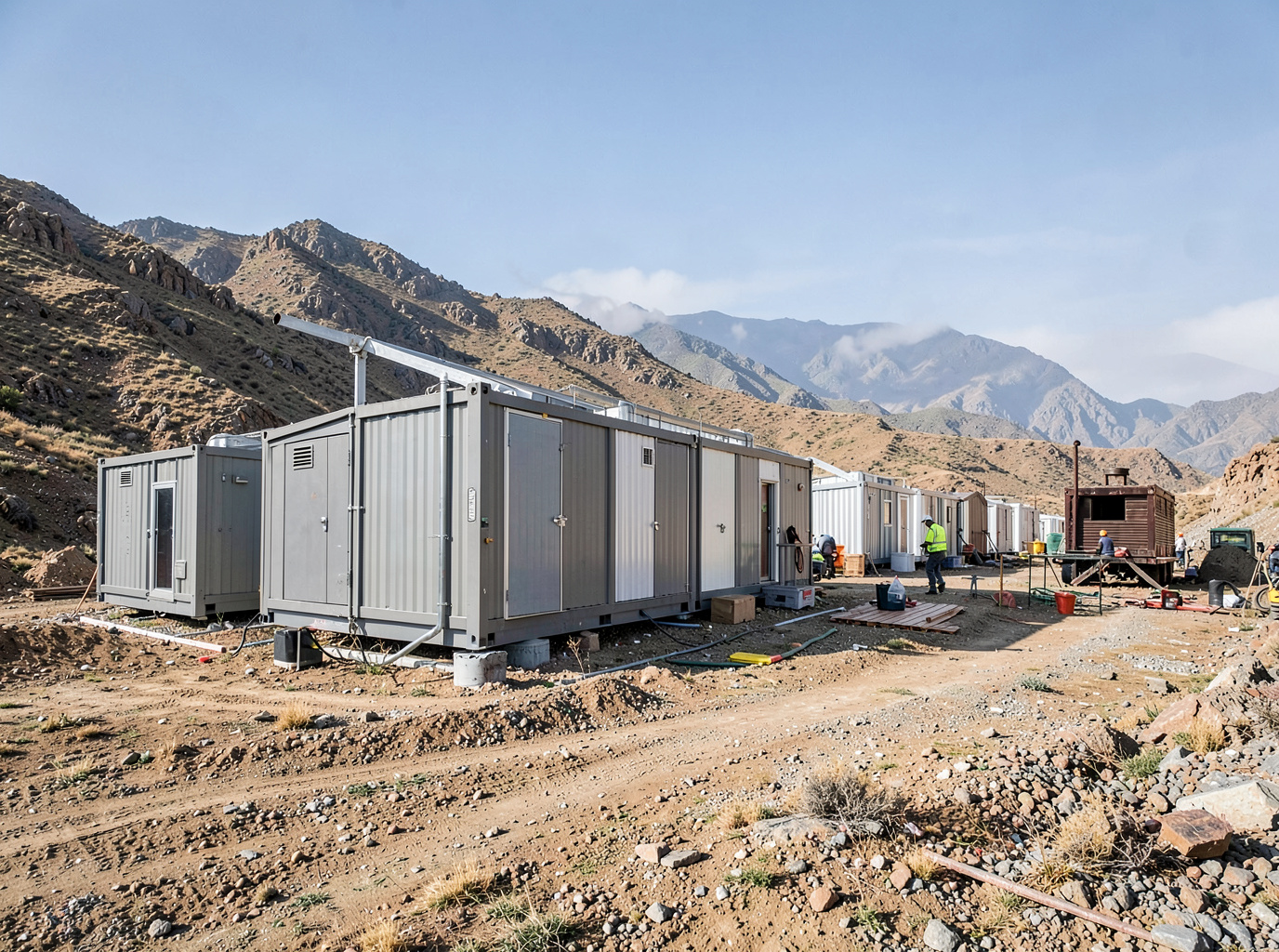
Phased expansion of remote camps is a highly effective strategy for project managers and procurement teams, enabling them to align infrastructure development precisely with project timelines and workforce fluctuations, thereby optimizing capital expenditure and operational efficiency. Instead of deploying a full-scale camp from day one, a phased approach involves constructing and commissioning modular facilities in stages. This method is particularly beneficial for large-scale, long-duration projects in mining, energy, and infrastructure, where initial workforce numbers may be small but are projected to grow significantly over several years. It allows for a responsive and adaptable camp footprint, minimizing the risk of underutilized assets or insufficient capacity.
Strategic Advantages of Phased Camp Development
Adopting a phased approach offers several distinct advantages for complex remote projects. Firstly, it significantly reduces the initial capital outlay, freeing up funds for other critical project components during early stages. This financial flexibility can be crucial for projects with tight budgets or uncertain early-stage funding. Secondly, it allows for real-time adaptation to project scope changes or unforeseen workforce adjustments. If a project phase is delayed, or workforce numbers are revised, camp expansion plans can be modified accordingly, preventing the deployment of unnecessary modules. Thirdly, phased development can improve logistical efficiency by spreading out the transportation and assembly of modular units over a longer period, reducing peak demand on supply chains and site resources. This can be especially important for remote sites with challenging access or limited laydown areas. Finally, it enables continuous learning and optimization; lessons learned from the initial camp phase can be applied to subsequent expansions, leading to more efficient and functional facilities.
Key Considerations for Phased Planning
Effective phased expansion requires meticulous planning from the outset, integrating camp development into the overall project master schedule. Project teams must define clear trigger points for each expansion phase, such as reaching a certain number of personnel on site, commencing a new project stage, or securing additional funding. It is crucial to anticipate future needs by conducting a comprehensive workforce projection analysis, detailing not just total numbers but also specific accommodation types (e.g., single occupancy, supervisory units) and ancillary services required (e.g., additional dining capacity, recreation facilities). Procurement teams should also consider the modularity and scalability of the chosen building system. Tough Modular's modular units are designed for straightforward integration and expansion, allowing for seamless additions of new accommodation blocks, kitchen/dining facilities, or modular site offices as demand increases. Infrastructure like power, water, and wastewater also needs to be planned with future expansion in mind, ensuring initial systems can either be easily upgraded or are sized to accommodate ultimate camp capacity.
Managing Logistical and Operational Transitions
Each expansion phase introduces logistical and operational challenges that must be proactively managed. Site preparation for future phases should ideally be completed or at least roughed in during initial development to minimize disruption later. This includes grading, utility stub-outs, and establishing clear pathways for future module delivery. Transportation routes and laydown areas must be assessed for their capacity to handle multiple waves of deliveries. During active expansion, maintaining operational continuity for existing camp residents is paramount. This means scheduling module deliveries and assembly to minimize noise, dust, and access restrictions to existing facilities. Clear communication with camp residents about upcoming work is also essential. Tough Modular specializes in complete remote camps and project compounds that can be expanded with minimal impact on ongoing operations, ensuring that essential services like modular workforce accommodation remain fully functional throughout the expansion process.
Defining Specifications for Future Phases
When planning a phased expansion, it is critical for project teams to define comprehensive specifications for all future modules, even if they are not immediately procured. This includes detailing the required building dimensions, internal layouts, and specific functional requirements for each type of module (e.g., dormitory, laundry, recreation). While Tough Modular does not claim specific performance ratings, project teams should clearly outline their environmental and operational requirements in their Request for Quotation (RFQ), such as expected temperature ranges, wind conditions, and intended lifespan, allowing for appropriate material and system selections. Specifying consistent interoperability standards for utility connections (electrical, plumbing, HVAC) across all phases will ensure seamless integration of new modules. Thinking ahead about the future use and potential redeployment of modules can also influence specifications, ensuring maximum long-term value. A detailed RFQ that anticipates these phased needs helps ensure all modules, regardless of their delivery phase, meet the project's overall objectives.
By strategically implementing a phased expansion approach, project teams can develop remote camps that are not only cost-effective and adaptable but also resilient to the dynamic nature of large-scale industrial and resource projects worldwide. Request a Quotation or Discuss Your Project with Tough Modular to explore how modular solutions can support your phased development strategy.