2026-09-24 ·
HVAC Planning for Remote and Extreme Environments
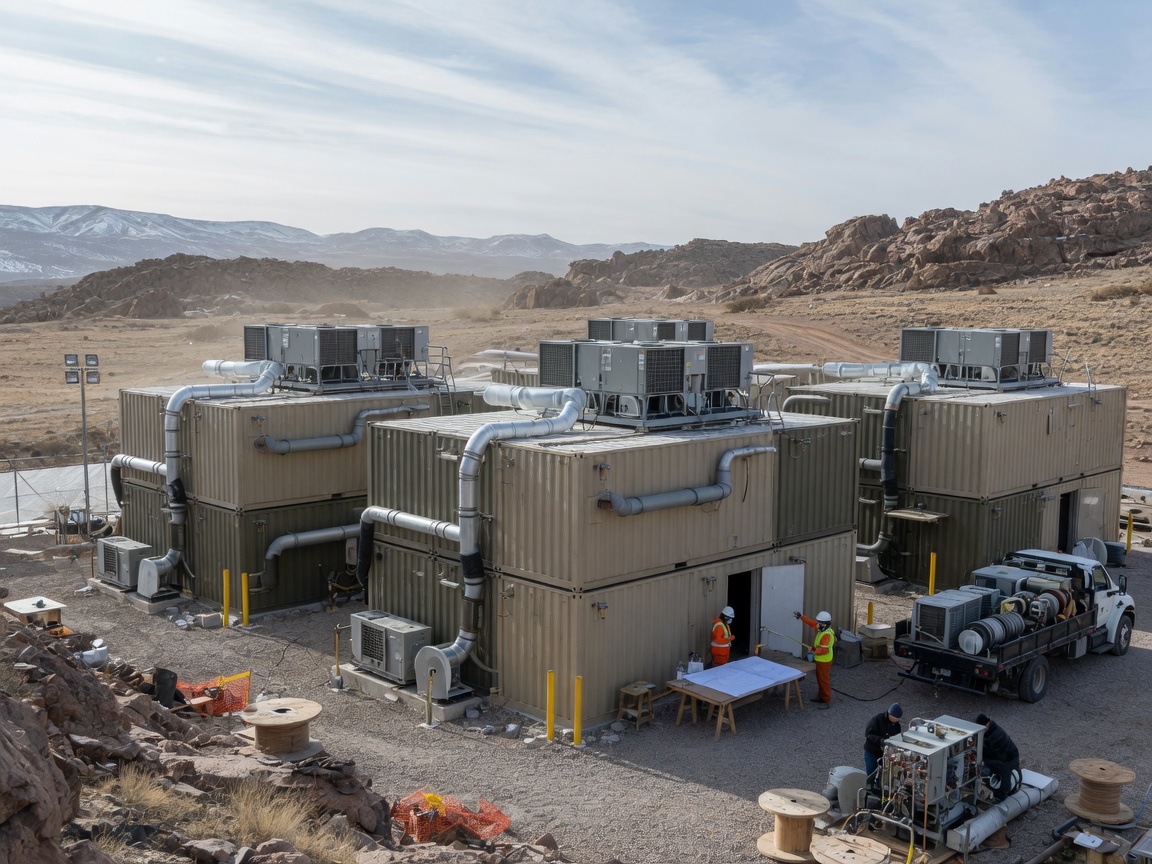
HVAC planning for remote and extreme environments requires a detailed specification of the operating conditions, including temperature extremes, humidity levels, and air quality requirements, to ensure system suitability and reliability. Project teams should provide a comprehensive climate summary for the site, detailing the lowest anticipated winter temperatures and highest summer temperatures, as well as average daily temperature swings. This information directly influences the selection of heating and cooling capacities, system types, and necessary auxiliary equipment, such as humidifiers or dehumidifiers. Without precise environmental data, selecting an appropriately sized and robust HVAC system for modular buildings becomes a speculative exercise, potentially leading to inadequate performance, increased operational costs, or premature system failure in challenging conditions.
Defining Environmental Parameters and Performance Needs
To ensure an HVAC system can effectively maintain comfortable and safe interior conditions, project teams must clearly articulate the environmental parameters of the site. This includes not only temperature ranges but also factors like relative humidity, which can be critical in both arid and tropical climates. For instance, high humidity in warm environments necessitates dehumidification capabilities to prevent mold growth and maintain air quality, while extremely dry conditions may require humidification for occupant comfort and to protect sensitive equipment. Specifying the design indoor temperature and humidity set points is equally important, as these directly inform the HVAC system's capacity calculations. Consider the intended use of the modular buildings; living quarters will have different requirements than equipment shelters or specialized laboratories. Additionally, outline any specific air filtration standards needed, particularly in areas with high dust, sand, or industrial pollutants, to protect occupants and sensitive internal components. These detailed specifications are fundamental for Tough Modular to provide suitable modular building solutions.
Power Supply and System Redundancy Considerations
The availability and reliability of power at remote sites are paramount when planning HVAC systems. Project teams must specify the available power supply, including voltage, phase, and frequency, as well as any limitations on total power draw. Many remote sites rely on generators, which can have fluctuating output and may necessitate more robust or specialized HVAC units designed for such conditions. Consider the efficiency ratings of HVAC systems, as lower power consumption can significantly reduce fuel costs for generator-dependent operations. For critical applications, such as medical facilities or control rooms within modular site offices, system redundancy should be a key consideration. This might involve specifying dual units, backup heating elements, or systems with inherent fail-safes to ensure continuous operation even if a primary component fails. Discussing these power and redundancy requirements early helps prevent costly retrofits and operational disruptions in challenging environments. This is especially true for large-scale operations like complete remote camps and project compounds.
Maintenance, Durability, and Logistics
Given the remote nature of many projects, ease of maintenance and system durability are critical factors for HVAC selection. Project teams should inquire about the availability of spare parts, the complexity of routine servicing, and the need for specialized tools or technicians. Systems that are difficult to service or require frequent, complex maintenance can lead to significant downtime and increased operational expenses. Specify requirements for corrosion resistance if the site is near a coast or in an industrial area with corrosive atmospheric conditions. Similarly, for cold climate and arctic modular buildings, components must be able to withstand extreme cold without freezing or cracking. For desert and high-heat modular buildings, consider how sand and dust might impact filters and moving parts. The logistics of transporting HVAC units and their components to the site should also be factored in, especially for large, integrated systems. Compact, modular, or easily assembled units can simplify shipping and installation at challenging locations.
Specialized HVAC Solutions for Extreme Conditions
Certain extreme environments demand specialized HVAC approaches beyond standard commercial units. For instance, in regions with very low temperatures, heat pump systems may need to be supplemented with electric resistance heaters or other forms of primary heating to maintain efficiency. In extremely dusty environments, HVAC units with enhanced filtration systems and positive pressure capabilities can prevent dust ingress. For modular buildings in high-wind areas, ensure that exterior HVAC components are securely mounted and designed to withstand anticipated wind loads. When planning for modular workforce accommodation in diverse climates, consider specifying individual zone control to allow occupants to adjust temperatures in their own spaces, which can improve comfort and energy efficiency. These specialized considerations help tailor the HVAC solution to the unique demands of each project site, ensuring optimal performance and longevity.
Effective HVAC planning is a cornerstone of successful remote project execution, demanding a clear, detailed specification of environmental conditions, power constraints, and operational requirements from the outset. Project teams should define these parameters comprehensively to ensure the selected HVAC systems deliver reliable performance and occupant comfort in even the most challenging global environments. Request a Quotation or Discuss Your Project with Tough Modular to explore suitable HVAC-ready modular building options.