2026-09-24 ·
Factory Supply vs Local Site Scope
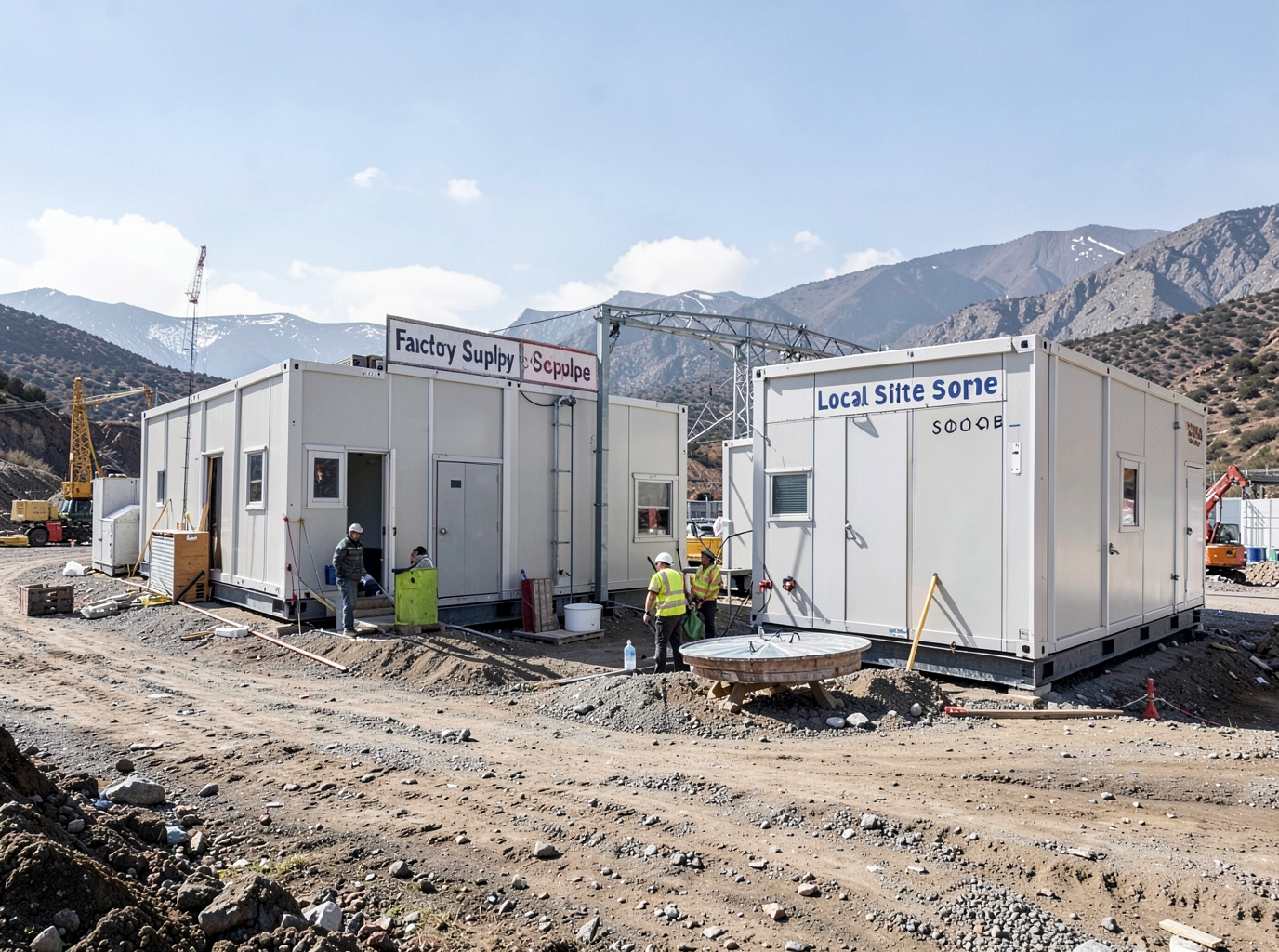
When procuring modular buildings for remote industrial projects, defining the boundary between factory supply and local site scope is paramount for effective project management, cost control, and schedule adherence. Factory supply typically encompasses the design, fabrication, and pre-assembly of modular units at a controlled manufacturing facility, often including internal finishes, fixtures, and sometimes even furniture, ready for shipment. Conversely, local site scope involves all activities required once the modules arrive at the project site, such as offloading, positioning, interconnection, utility hook-ups, and any necessary civil works or foundations. Project teams must meticulously define these scopes in their RFQs and contracts to avoid gaps, overlaps, or disputes, ensuring a clear understanding of responsibilities from initial order to final commissioning.
Defining Factory Supply
Factory supply focuses on delivering fully or partially outfitted modular units from the manufacturing plant. This includes the structural shell, insulation, interior wall finishes, flooring, lighting, plumbing fixtures, and electrical systems up to a main distribution panel within each module. Depending on project specifications, factory supply can also extend to built-in cabinetry, appliances, and even loose furniture packages for modular workforce accommodation or modular site offices. The key advantage of factory supply is the controlled environment of the manufacturing plant, which allows for consistent quality, efficient production schedules, and reduced exposure to adverse weather conditions that might plague site-based construction.
Project teams should specify the exact level of completion required from the factory. For example, will modules arrive with all internal wiring terminated at junction boxes, or will they be fully pre-wired to outlets and switches? Will HVAC units be factory-installed and pre-charged, or will they be supplied loose for site installation? Clarity on these details impacts shipping logistics, site labor requirements, and overall project timelines. Specifying the exact scope of factory-supplied items, down to the brand and model of fixtures, helps ensure that the delivered product meets operational requirements without unexpected site modifications.
Understanding Local Site Scope
The local site scope encompasses all activities performed at the project location after the modules leave the factory. This typically begins with receiving the modules, which involves managing logistics from the port or transport hub to the final site, offloading the units, and placing them onto prepared foundations. Crucially, the local site scope includes all interconnection work: joining adjacent modules structurally, weatherproofing the seams, and connecting internal utility systems (electrical, plumbing, HVAC ducts) between modules to form a cohesive building. External utility connections from the building to main site services (power grid, water supply, sewage treatment) are also part of this scope.
Furthermore, local site scope often includes site-specific elements such as: access ramps, stairs, landings, external walkways, fire suppression systems, and any required skirting or architectural finishes to integrate the modular buildings into the overall site aesthetic. Procurement teams should detail requirements for site-specific conditions, such as extreme temperatures for cold-climate and arctic modular buildings or dust mitigation for desert and high-heat modular buildings. Clearly defining these responsibilities prevents costly delays and ensures that the modular buildings are ready for occupancy and fully compliant with site operational protocols.
Critical Interface Points and Handover
The interface between factory supply and local site scope is a critical juncture that demands meticulous planning and coordination. Key interface points include the structural connections between modules, the termination points for all utility services (electrical, plumbing, data, HVAC), and weatherproofing details at module joints and roof lines. A well-defined handover protocol is essential, outlining the documentation required from the factory (e.g., as-built drawings, material certifications, testing reports) and the inspection points for the site team upon module arrival.
Project teams should specify the format and content of these handover documents in the RFQ. For example, electrical schematics showing internal wiring paths are vital for site electricians making inter-module connections. Similarly, detailed plumbing diagrams are necessary for connecting water supply and drainage lines. Any deviations from factory-supplied items or incomplete documentation can lead to significant delays and rework at the site, impacting the overall project schedule and budget for complete remote camps and project compounds.
Optimizing Project Delivery Through Clear Scopes
Optimizing project delivery hinges on a clear and unambiguous division of responsibilities. Ambiguity regarding who is responsible for specific tasks can lead to schedule overruns, budget increases, and quality issues. For example, if the factory supplies modules with pre-installed HVAC units but does not include refrigerant charging, and this is not explicitly assigned to the local site scope, commissioning delays will occur. Similarly, if structural connections between modules require specialized tools or personnel not available on site, the project will face setbacks.