2026-09-24 ·
What to Include in a Modular Building RFQ
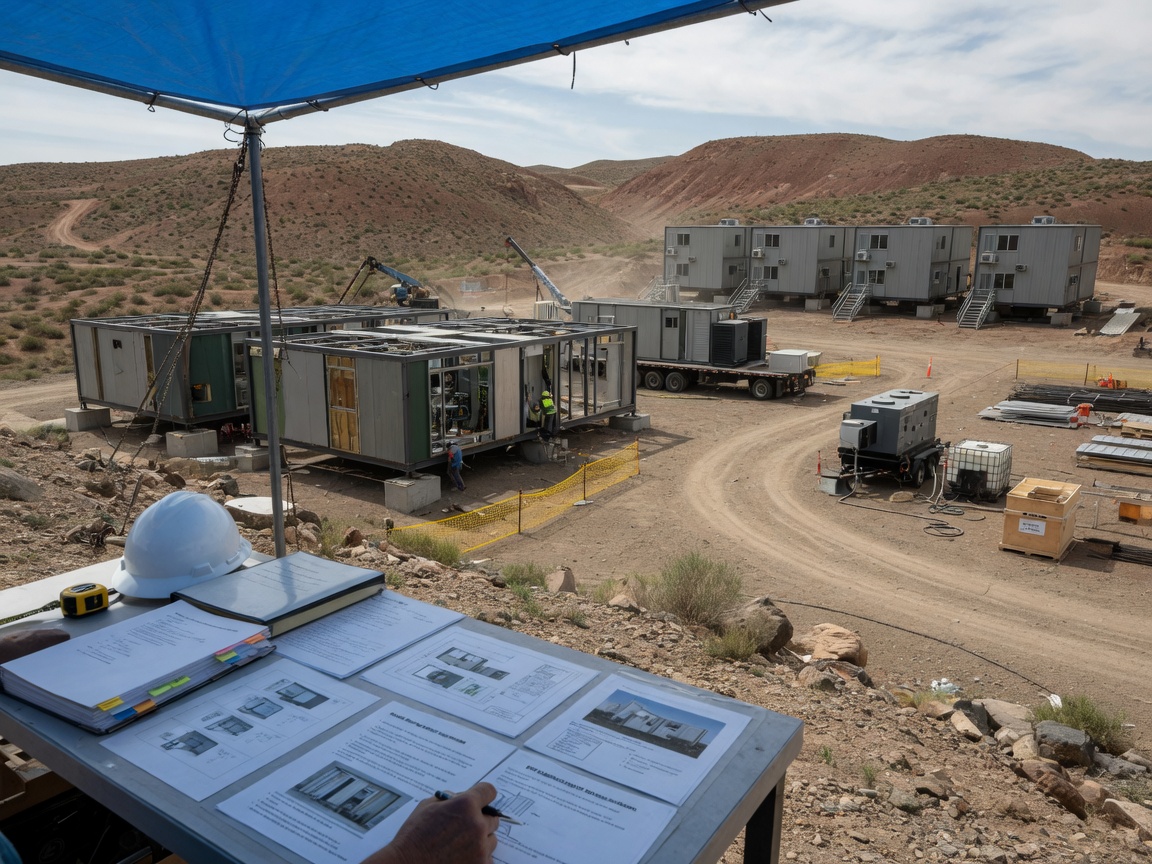
To effectively procure modular buildings, an RFQ must clearly articulate the project's needs, starting with the project overview and building requirements. Begin by defining the project's purpose, location, and expected duration. Specify the number and type of buildings needed, such as modular workforce accommodation, modular site offices, or specialized facilities for mining or energy projects. Detail the required occupancy for each building, including the number of personnel and their functions. Clearly state the desired operational lifespan of the modular units, whether for a short-term project of 1-3 years or a more permanent installation lasting 10+ years. This foundational information allows suppliers to understand the scale and context of your project, enabling them to propose appropriate solutions that align with your strategic objectives and budget.
Project Scope and Schedule
The RFQ should thoroughly detail the project scope and a realistic schedule. Outline the specific functions and activities that will take place within each modular building. For example, specify if a building will serve as a dormitory, kitchen and dining facility, medical clinic, or administrative office. Provide a clear timeline, including the desired date for building delivery to the project site and the target operational start date. While Tough Modular focuses on the supply of modular buildings, your RFQ should also indicate your internal or third-party plans for site preparation, foundations, craning, installation, and utility connections, as these factors influence the building design and delivery logistics. Include any phased delivery requirements if the project demands incremental building deployment. A well-defined schedule helps suppliers assess their capacity and provides accurate lead times.
Technical Specifications and Performance
For modular buildings, technical specifications are paramount. While Tough Modular does not claim specific performance metrics, your RFQ should outline the conditions the buildings will encounter. Describe the anticipated environmental conditions at the project site, including typical temperature ranges (e.g., -40°C to +45°C), precipitation levels, and wind conditions. If the project is in a remote or challenging environment, such as for cold-climate and arctic modular buildings or desert and high-heat modular buildings, explicitly state these requirements. Detail the desired interior finishes, flooring types, wall coverings, and ceiling systems. Specify requirements for doors, windows, and any specialized fixtures or equipment to be integrated into the modular units. Include preferences for electrical systems (voltage, frequency, outlet types), plumbing fixtures, and HVAC systems, noting any specific heating or cooling capacities needed to maintain comfortable indoor environments under the described external conditions. Clearly define the desired level of insulation for walls, roofs, and floors, as well as window glazing types, to ensure energy efficiency and occupant comfort.
Layouts, Furnishings, and Services
Provide detailed layouts and furnishing requirements for each modular building type. Include floor plans or sketches indicating room dimensions, door and window placements, and the intended use of each space. Specify all required interior furnishings, such as beds, desks, chairs, lockers, and common area furniture. For kitchens and dining facilities, list all necessary appliances (e.g., commercial ovens, refrigerators, freezers, dishwashers) and their required capacities. For ablution blocks, detail the number of toilets, showers, and sinks. Outline any specific IT or communication infrastructure needs, including data points, network cabling, and antenna mounts. Clearly state any requirements for fire detection and suppression systems, emergency lighting, and security features like access control or surveillance provisions. This level of detail ensures that the proposed modular units are fit for purpose and ready for immediate occupancy and operation upon installation.
Commercial and Logistical Requirements
The commercial and logistical requirements section is crucial for a complete RFQ. Specify your preferred incoterms for delivery, such as Ex Works (EXW) or Free Carrier (FCA) at the supplier's facility, or Delivered At Place (DAP) at a designated port or entry point. While Tough Modular does not handle customs clearance or last-mile logistics, your RFQ should define these responsibilities within your project's overall plan. Request a breakdown of costs, including unit pricing, any applicable crating or packaging costs, and freight estimates to the specified delivery point. Outline your payment terms, including preferred milestones and currency. Include any requirements for documentation, such as technical manuals, assembly guides, and material safety data sheets. Clearly state your requirements for warranties on materials and manufacturing, and specify any minimum quality assurance standards you expect from the supplier. For projects in remote or isolated regions, consider the implications for logistics and potential for remote and isolated site modular buildings.
A comprehensive RFQ ensures that all critical aspects of your modular building project are addressed, leading to accurate proposals and successful project execution. By clearly articulating your needs across project scope, technical specifications, and logistical requirements, you empower suppliers to provide tailored, cost-effective solutions. Request a quotation or discuss your project with Tough Modular to explore suitable modular building options.