2026-09-24 ·
Power, Water and Wastewater Planning
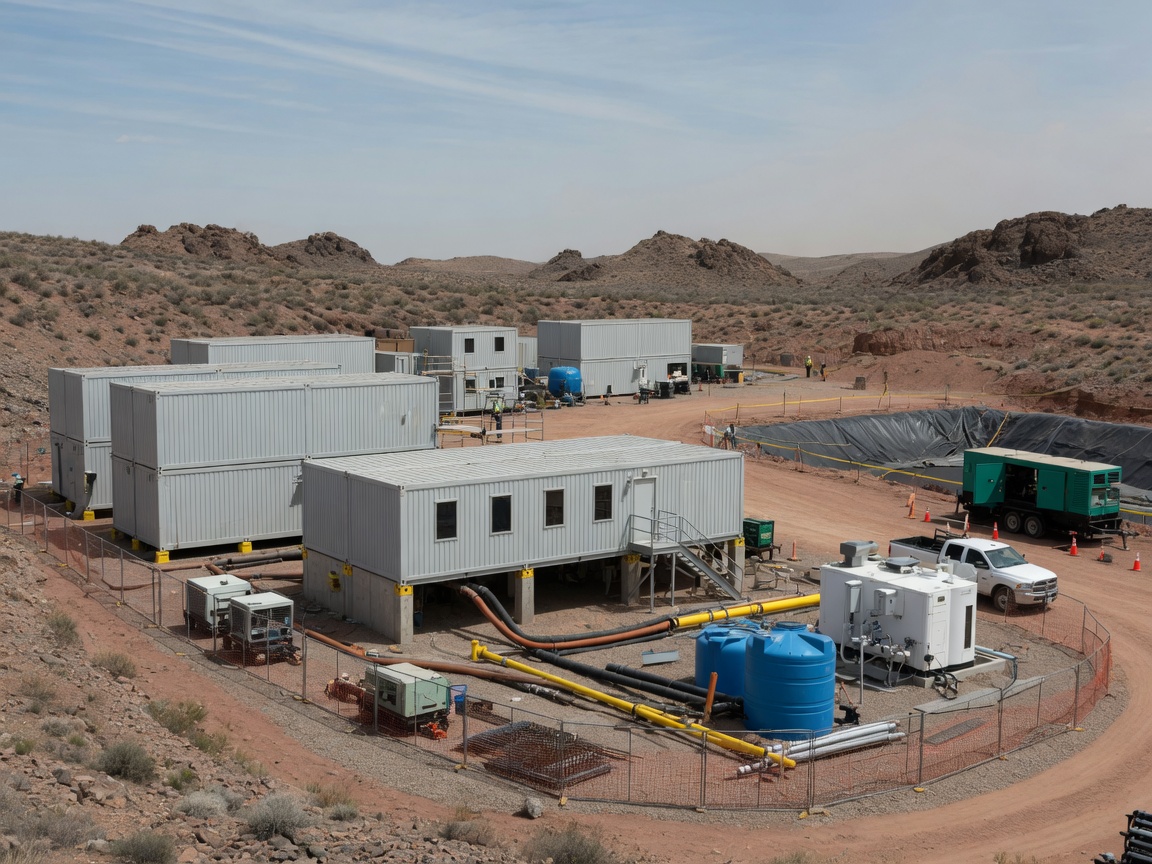
Effective planning for power, water, and wastewater is foundational for any remote modular building project, directly impacting operational costs, environmental compliance, and project viability. Project teams must define their specific requirements for power generation, water sourcing and treatment, and wastewater management early in the planning phase. This involves detailed assessments of daily demand, available resources, regulatory frameworks, and logistical challenges. For instance, a remote camp housing 100 personnel might require 20,000 to 30,000 liters of potable water daily, 150 to 200 kW of continuous power generation, and robust wastewater treatment capacity for approximately 15,000 to 25,000 liters per day, depending on the activities and duration of the project. These figures are illustrative and highlight the need for precise calculations based on project specifics, including the number of occupants, duration of stay, climate conditions, and the types of facilities in use, such as laundries, kitchens, and ablution blocks. Understanding these demands allows for the selection of appropriate modular building solutions and integrated utility systems.
Assessing Power Requirements for Remote Sites
Accurately assessing power requirements is a critical first step. This involves calculating the cumulative power demand from all electrical loads within the modular buildings and associated site infrastructure. Key factors include the type and quantity of heating, ventilation, and air conditioning (HVAC) units, lighting, kitchen appliances, office equipment, communication systems, and any specialized industrial equipment. Project teams should conduct a load analysis to determine both peak and average power consumption. Consideration must be given to the duty cycle of various equipment and the potential for simultaneous operation. For example, a modular office complex might have consistent daytime loads, while a workforce accommodation camp will see peak demand during morning and evening hours. The choice of power generation — typically diesel generators, but increasingly hybrid systems incorporating solar PV arrays for fuel efficiency — depends on the total load, operational duration, and fuel logistics. Fuel storage and delivery for generators, especially in extreme climates or highly remote locations, present significant logistical challenges and cost implications that must be factored into the overall project budget and timeline. For more on specific building types, consider reviewing options for modular site offices.
Water Sourcing and Treatment Strategies
Reliable access to potable water is non-negotiable for remote operations. Project teams must identify potential water sources and evaluate their suitability. Common sources include groundwater (wells), surface water (rivers, lakes), and for coastal or arid regions, desalination of seawater or brackish water. The quality of the raw water source dictates the necessary treatment processes. Raw water analysis is essential to determine parameters such as turbidity, pH, dissolved solids, and microbial content. Treatment systems can range from basic filtration and disinfection (e.g., chlorination, UV) for relatively clean sources to more complex processes like reverse osmosis (RO) for high-salinity or heavily contaminated water. Storage capacity for treated water is also crucial to ensure continuous supply, especially during periods of high demand or if the primary treatment system experiences downtime. The logistics of transporting water to the site, if no local source is viable, can be a major cost driver. For projects in challenging environments, exploring options for cold climate and arctic modular buildings or desert and high heat modular buildings can offer insights into specialized water management solutions.
Wastewater Management and Disposal
Effective wastewater management is vital for environmental protection and regulatory compliance. All wastewater generated from modular buildings—including blackwater (from toilets) and greywater (from showers, sinks, laundries)—must be collected, treated, and disposed of responsibly. The volume of wastewater directly correlates with water consumption and the number of occupants. Treatment technologies range from septic systems for smaller, short-term installations to more advanced packaged wastewater treatment plants (WWTPs) for larger or longer-duration projects. These packaged units are designed for remote applications, offering various levels of treatment to meet discharge standards. The treated effluent may be discharged to land (with appropriate permits and environmental assessment), evaporated, or further treated for non-potable reuse where regulations permit. Sludge generated from WWTPs also requires proper handling and disposal, which can involve dewatering and off-site transport. Failing to adequately plan for wastewater management can lead to significant environmental liabilities, operational disruptions, and penalties. Understanding the specific demands of remote operations is key, as discussed in planning for complete remote camps and project compounds.
Thorough planning for power, water, and wastewater infrastructure is not merely a technical exercise but a strategic imperative for remote modular building projects. It ensures operational resilience, manages environmental impact, and controls long-term costs. Project teams should engage with suppliers early to define precise requirements and explore integrated utility solutions. Discuss Your Project with Tough Modular to ensure all utility needs are addressed.