2026-09-24 ·
Planning Modular Buildings for International Shipping
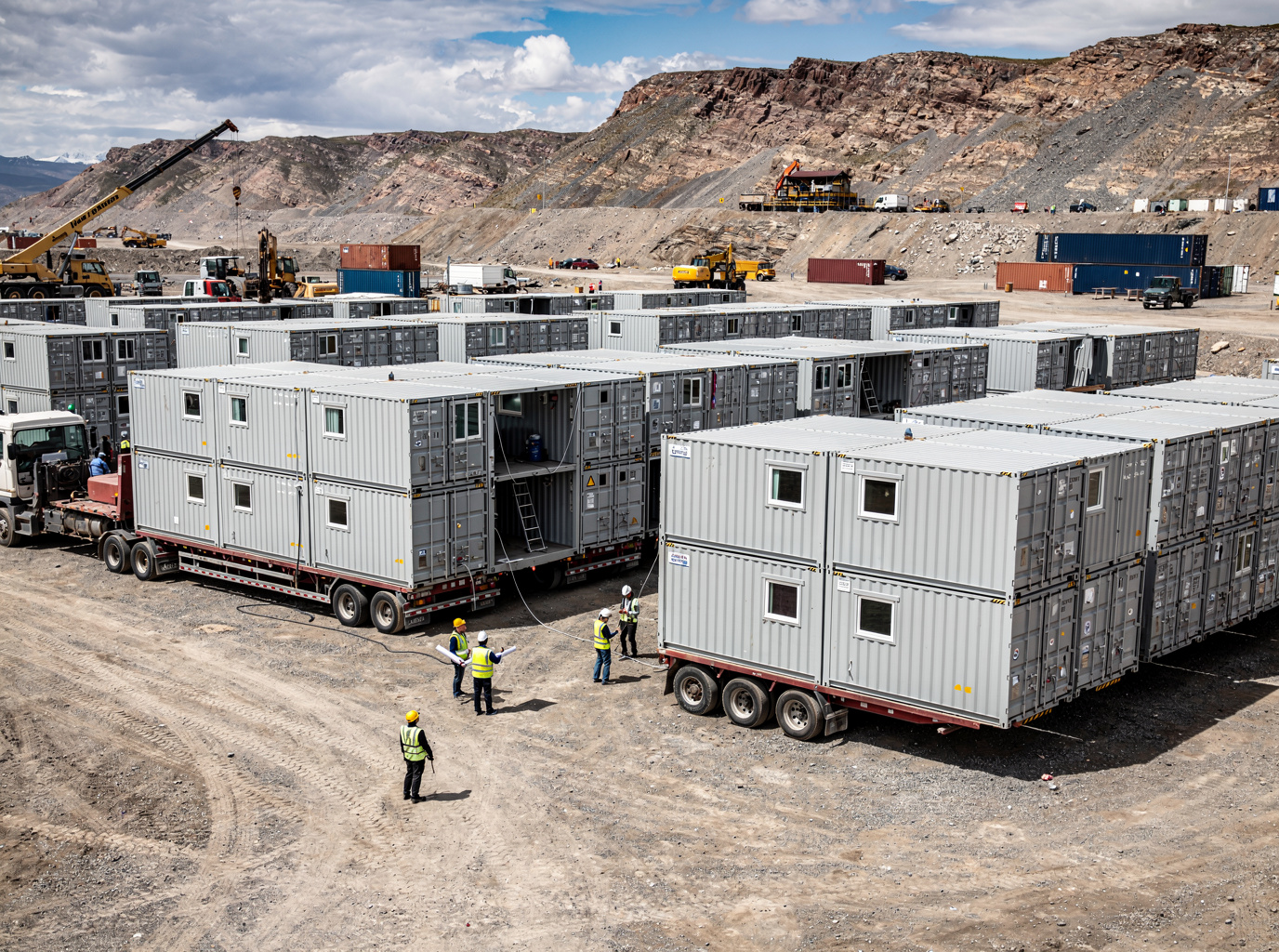
Planning for international shipping of modular buildings requires careful consideration of several factors, including the mode of transport, regulatory compliance, and site accessibility, to ensure timely and cost-effective delivery. The journey from manufacturing facility to a remote project site often involves multiple transport stages, from overland freight to ocean shipping, and sometimes air cargo for urgent components. Each stage presents unique challenges that, if not addressed during the initial planning phases, can lead to significant delays and budget overruns. Project teams must define their requirements clearly, anticipating potential logistical hurdles and specifying how these will be managed.
Optimizing Module Dimensions for Transport
The dimensions of modular building units are a primary driver of international shipping costs and feasibility. Oversized modules can incur substantial surcharges for special permits, escorts, and route surveys, particularly for overland transport. When specifying modular buildings, project managers should consider standard shipping container dimensions (e.g., 20-foot or 40-foot lengths) where possible, or at least dimensions that fit efficiently on flat racks or open-top containers. This approach can significantly reduce freight expenses and simplify handling at ports and transshipment points. For example, a module designed to fit within a standard high-cube container (approximately 40'L x 8'W x 9.5'H) will have a much smoother transit than one requiring specialized heavy-haul transport.
Beyond containerization, consider the breakbulk option for larger, non-containerizable modules. Breakbulk shipping involves loading individual pieces onto a vessel without a container, which can be more economical for very large or heavy units but requires more robust protection and handling at ports. Specifying module dimensions early in the project helps suppliers optimize designs for transport efficiency. Project teams should also consider the weight distribution within modules, as this impacts lifting and securing during transit, especially for long-haul sea voyages where stability is paramount. For remote sites, designing modules that can be transported on common road infrastructure, even if unpaved, is critical. You can learn more about different approaches to module design in our article on flat-pack vs volumetric modular buildings.
Navigating Customs and Import Regulations
International shipping inherently involves navigating complex customs and import regulations in the destination country. Project teams need to identify all required permits, duties, taxes, and documentation well in advance of shipment. This includes understanding Harmonized System (HS) codes for modular buildings and their components, which dictate applicable tariffs. In some regions, specific certifications for materials or construction methods may be required for import, even if not explicitly for local construction standards. Failing to prepare these documents can lead to modules being held at customs, incurring demurrage charges and delaying project timelines. It's advisable to engage with customs brokers experienced in industrial project logistics for the specific destination country.
Key considerations for customs and import include:
- Pro-forma invoices and commercial invoices: Accurate valuation and detailed descriptions of goods are essential.
- Certificates of origin: Required to determine eligibility for preferential tariff treatments under trade agreements.
- Packing lists: Detailed contents of each module or package for inspection.
- Wood packaging material (WPM) regulations: Compliance with ISPM 15 standards to prevent pest transmission, which is critical for all crating and pallets.
Understanding these requirements early is vital, especially for projects in challenging locations like those requiring modular buildings for FIFO operations or in remote and isolated site modular buildings.