2026-09-24 ·
Designing Modular Buildings for Desert and High-Heat Environments
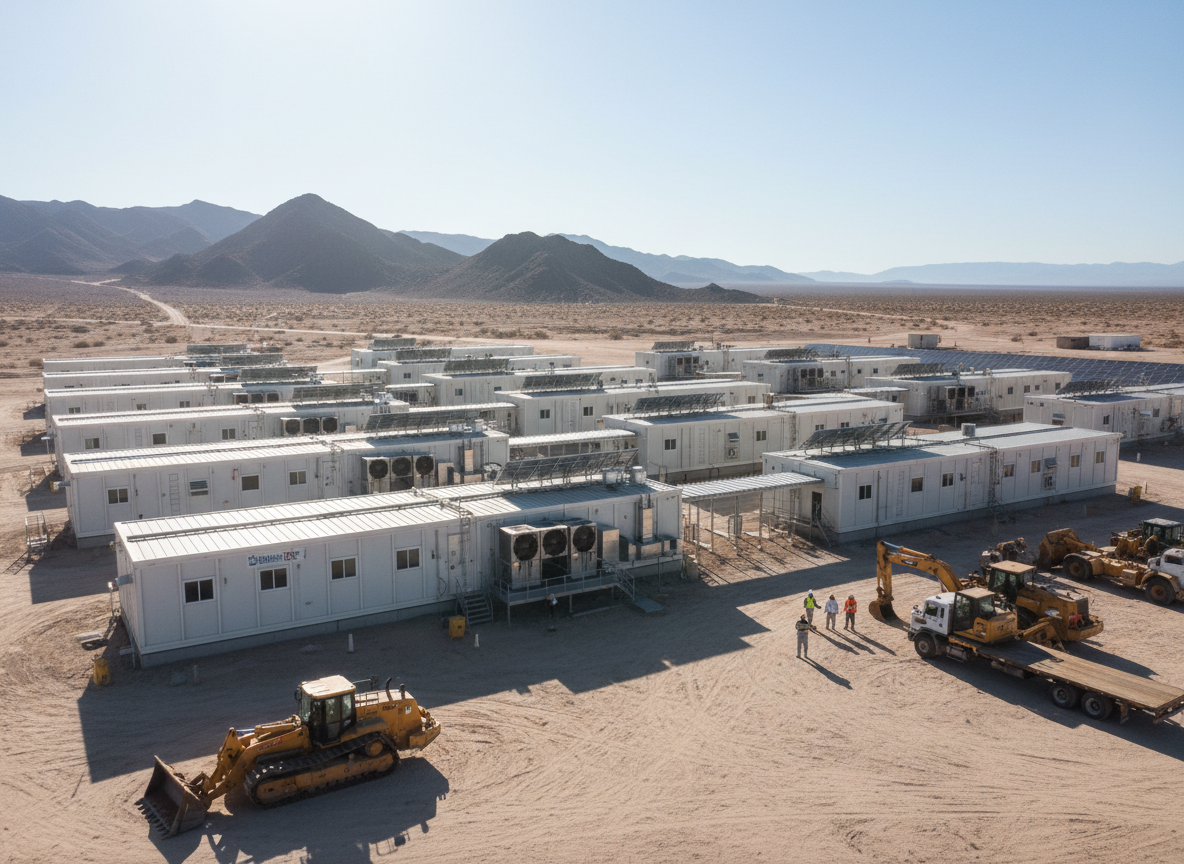
To effectively design modular buildings for desert and high-heat environments, project teams must prioritize specifications that address extreme ambient temperatures, intense solar loads, and abrasive airborne particulates. This involves a comprehensive approach to material selection, thermal envelope design, and HVAC system capabilities. The goal is to create structures that maintain comfortable interior conditions, minimize energy consumption, and withstand the harsh external conditions common in regions like the Middle East, parts of Australia, or arid zones in North Africa.
Mitigating Extreme Heat and Solar Radiation
The primary challenge in desert environments is the relentless heat, often exceeding 45°C (113°F) during the day, coupled with significant solar radiation. Effective heat mitigation begins with the building's exterior. Specifying light-colored finishes for roofs and walls can significantly reduce solar heat gain by reflecting sunlight rather than absorbing it. Materials with high solar reflectivity index (SRI) values should be preferred. Furthermore, the use of external shading devices over windows and doors can block direct sunlight, preventing it from penetrating the building envelope. These can include awnings, overhangs, or even strategically positioned architectural elements. For window glazing, specifying low-emissivity (low-e) coatings is crucial, as they reduce the amount of heat transferred through the glass while still allowing visible light to pass. These considerations are vital for all types of remote structures, from modular site offices to extensive modular workforce accommodation compounds.
Thermal Envelope and Insulation Specifications
The thermal envelope of a modular building in a high-heat environment is critical for maintaining internal temperatures and reducing HVAC load. Project teams should specify insulation materials with high R-values appropriate for the anticipated temperature differentials. Common choices include rigid foam insulation (e.g., polyisocyanurate, extruded polystyrene) for walls and roofs, and mineral wool for fire resistance. The thickness and type of insulation directly impact the building's thermal performance. Beyond insulation, minimizing thermal bridging—points where heat can bypass insulation, such as at structural connections—is essential. This often involves continuous insulation layers or thermal breaks in the structural design. A well-sealed building envelope, achieved through careful attention to joints, seams, and penetrations, also prevents unwanted air infiltration and exfiltration, which can compromise thermal performance and increase energy consumption. When considering modular buildings for mining and minerals projects, these details are paramount for operational efficiency.
HVAC System Design for Arid Climates
Heating, Ventilation, and Air Conditioning (HVAC) systems are central to occupant comfort in desert environments. Project teams must specify oversized or high-efficiency HVAC units capable of handling the extreme heat loads. This includes considering factors like sensible heat ratio (SHR) to ensure effective cooling and dehumidification. Redundancy in HVAC systems, such as N+1 configurations, is often prudent for critical facilities, providing backup in case of equipment failure and minimizing downtime in remote locations. Specifying heavy-duty air filtration systems is also important to combat dust and sand ingress, protecting both indoor air quality and HVAC equipment from abrasive particles. Furthermore, integrating economizers for free cooling during cooler periods (though less common in hot deserts) or energy recovery ventilators (ERVs) can optimize energy use by pre-conditioning incoming fresh air. For projects like modular buildings for oil and gas projects, reliable and robust HVAC is non-negotiable.
Material Durability and Site Preparation
The harsh conditions of desert environments, including intense UV radiation, extreme temperature swings, and abrasive sand, demand highly durable materials. Exterior finishes should be specified for UV resistance to prevent fading, cracking, and degradation over time. Corrosion-resistant materials are also important, especially if the site is near saline environments or experiences high humidity during certain periods. For example, specifying galvanized steel or specialized coatings for structural components and fasteners can extend the lifespan of the building. Site preparation, while not part of the modular building itself, is crucial. This includes providing a stable, level foundation and ensuring proper drainage to prevent water accumulation during rare but intense rainfall events, which can lead to erosion or damage to the building's base. Understanding these factors is key to successful remote and isolated site modular buildings projects.
Effectively designing modular buildings for desert and high-heat environments requires a detailed understanding of the unique challenges these climates present. By meticulously specifying materials, insulation, and HVAC systems, project teams can ensure that modular structures deliver reliable performance and occupant comfort, even in the most demanding conditions. Discuss Your Project with Tough Modular to explore tailored solutions.