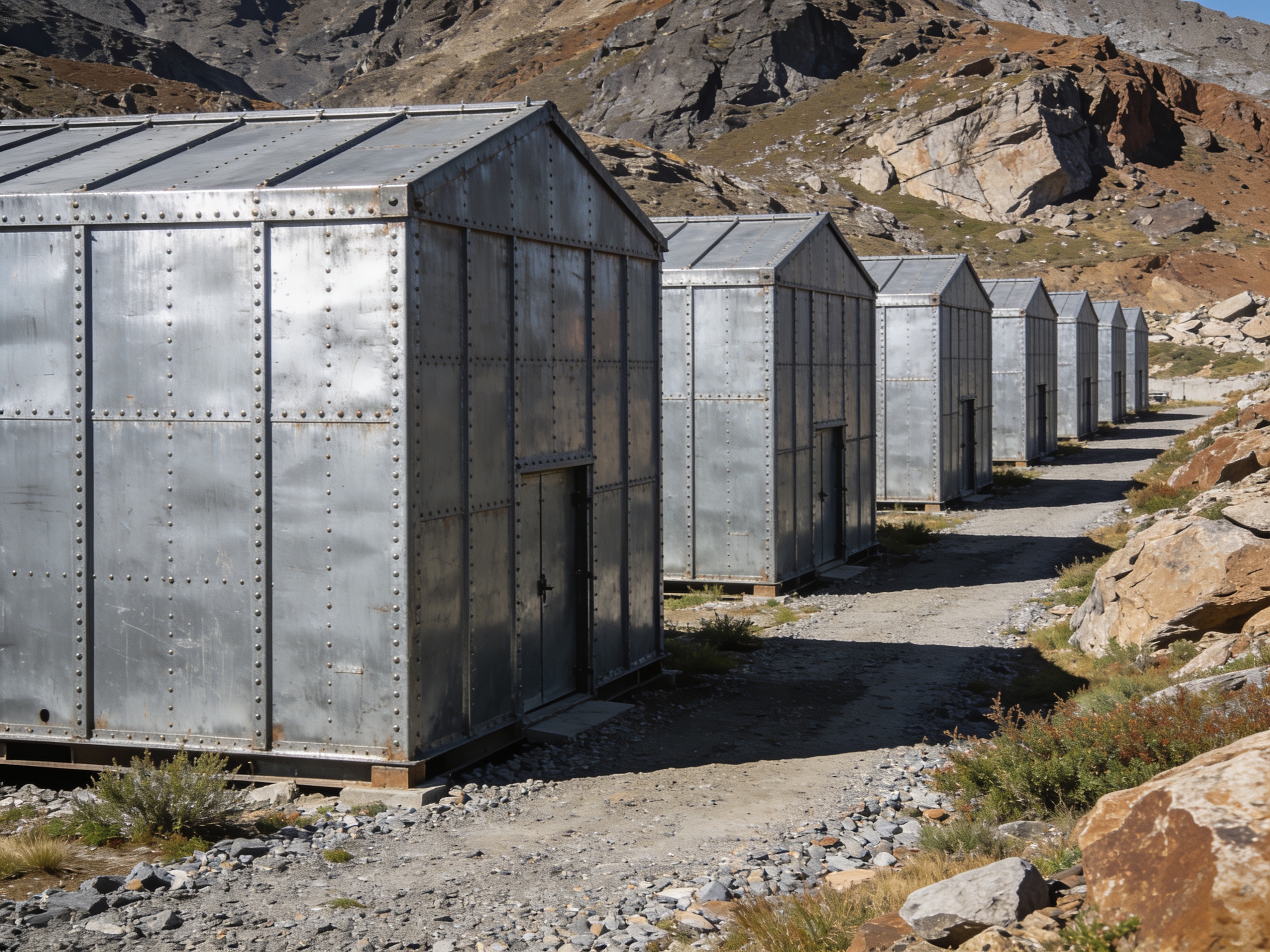
Renewable energy projects, whether solar farms, wind parks, hydroelectric dams, or geothermal plants, are frequently located in remote or challenging environments. Establishing efficient and robust site infrastructure is critical for project success, supporting construction phases through to long-term operations and maintenance. Modular buildings offer a strategic solution for these projects, providing essential facilities such as administrative offices, crew accommodation, dining halls, medical clinics, and specialized technical buildings. Their inherent flexibility and rapid deployment capabilities are particularly valuable in areas with limited local resources or complex logistics.
The planning and specification of modular buildings for renewable energy sites must account for a range of project-specific conditions. These include climatic extremes, such as intense solar radiation at desert solar sites or high winds at offshore wind substations, and seismic activity in certain geothermal regions. Project requirements may consider wind, snow, and seismic conditions, as well as thermal performance for energy efficiency, and corrosion resistance for coastal or high-humidity environments. Occupancy levels, fire and life safety considerations, and local code requirements also influence building design and material selection. Understanding these factors early in the project lifecycle is crucial for developing a fit-for-purpose modular building solution.
Tough Modular specializes in coordinating the supply of modular building packages tailored to the unique demands of renewable energy developments. This includes liaising with manufacturers to ensure buildings are configured for specific site conditions and operational needs. For example, control rooms for wind farms may require specialized insulation and cable management, while accommodation units for hydro projects might need robust finishes to withstand high humidity. We facilitate the coordination of manufacturing schedules and international delivery logistics, ensuring that buildings arrive on site in accordance with project timelines. Our focus is on providing a streamlined procurement process for complex, multi-building requirements.
Effective integration of modular buildings into the overall project plan requires careful consideration of site preparation, utility connections, and local installation capabilities. While Tough Modular focuses on the supply and delivery coordination of the building units, we collaborate with project teams to ensure that the modular solution aligns with the broader site development strategy. This includes providing necessary documentation for local engineering review and supporting the client's efforts in coordinating with local contractors for foundation work, utility hook-ups, and final assembly. Our objective is to contribute to the timely and efficient establishment of critical infrastructure for renewable energy projects worldwide.
Technician insight
When planning modular buildings for remote renewable energy sites, a common oversight is underestimating the lead time required for specialized components and international shipping to challenging locations. While the modular build itself is efficient, securing transport slots and navigating customs for oversized cargo into a remote region can add significant time to the overall schedule if not planned meticulously from the outset. Early engagement on logistics is key.
Modular Buildings for Renewable Energy Projects Services We Offer
✓Site Offices and Administrative Buildings
Modular units configured for project management, engineering, and administrative staff, including meeting rooms, individual offices, and common work areas.
✓Crew Accommodation and Workforce Housing
Durable modular living quarters designed for project personnel, offering various configurations from dormitory-style rooms to private suites.
✓Dining Facilities and Kitchen Complexes
Fully equipped modular kitchen and dining areas capable of serving large workforces, designed for hygiene and operational efficiency in remote settings.
✓Medical Clinics and First Aid Stations
Self-contained modular medical facilities providing essential health services and emergency response capabilities on remote project sites.
✓Technical Buildings and Control Rooms
Specialized modular structures for housing sensitive equipment, control systems, and monitoring stations, with considerations for environmental protection and security.
✓Storage and Workshop Facilities
Robust modular units for secure storage of tools, parts, and materials, as well as dedicated workshop spaces for maintenance and repairs.
How it works
- 1
Define Project Requirements
The initial step involves a detailed understanding of the project's scope, site conditions, duration, workforce size, and specific facility needs. This includes considering climatic factors, site accessibility, and operational demands for each building type.
- 2
Scope Review and Specification Development
We review the defined requirements to develop a comprehensive scope of work, outlining building types, configurations, finishes, and necessary technical specifications. This stage clarifies the modular solution's alignment with project objectives.
- 3
Configuration and Technical Coordination
Based on the project specification, we coordinate with manufacturing partners to configure the modular units, addressing aspects such as structural design, MEP systems, and interior layouts. This ensures technical compatibility with site conditions and operational needs.
- 4
Manufacturing Coordination
We manage the manufacturing schedule and quality assurance processes, ensuring that all modular units are produced according to the agreed specifications and project timelines.
- 5
International Delivery Coordination
Tough Modular coordinates the logistics for international transport, including freight, customs documentation, and route planning, to ensure timely and efficient delivery of the modular buildings to the project site.
Pricing
Pricing for modular buildings for renewable energy projects is determined by factors such as the number and type of modules, complexity of internal fit-out, required technical specifications (e.g., insulation, specialized HVAC), and international shipping distance and logistics requirements. Project-specific requirements for environmental conditions and local code considerations also influence overall cost.