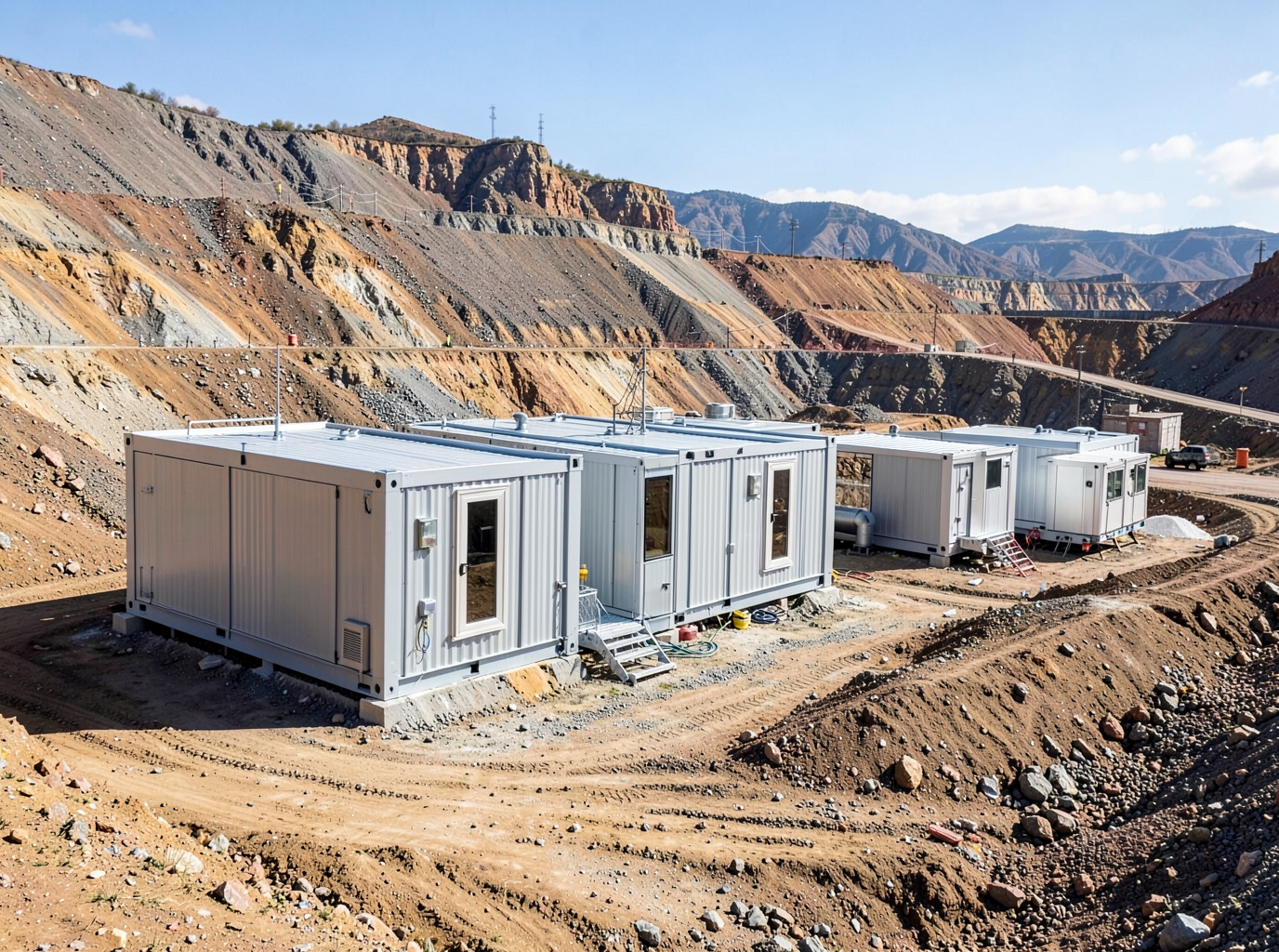
Rapid mobilization projects, common in sectors such as mining, oil and gas, and renewable energy, often require the swift establishment of operational infrastructure in remote or challenging environments. The ability to deploy essential facilities quickly and efficiently is critical to project timelines and overall success. Modular buildings offer a strategic advantage by allowing for off-site manufacturing and concurrent site preparation, significantly reducing on-site construction time. This approach minimizes logistical complexities, reduces labor requirements in remote locations, and mitigates risks associated with adverse weather or site conditions, ensuring that project teams can be housed, fed, and supported without undue delay. The focus remains on establishing functional and safe environments that support continuous operations from day one.
The planning and execution of rapid mobilization projects necessitate a comprehensive understanding of the project lifecycle, from initial site survey to demobilization. Key considerations include the transportation logistics for modular units, which can vary significantly based on module size, weight, and the accessibility of the project site. The design phase must account for efficient assembly and disassembly, allowing for future relocation or expansion as project needs evolve. Furthermore, the selection of materials and building systems must balance durability with transportability and ease of installation. Tough Modular coordinates the manufacturing and international delivery of these specialized units, ensuring they are configured to meet specific project demands and can be deployed effectively to support accelerated project timelines.
Effective modular building solutions for rapid mobilization projects extend beyond simple accommodation. They encompass a range of essential facilities, including administrative offices, medical clinics, dining halls, and technical workshops, all designed for quick deployment. Each building type must be specified with project-specific requirements in mind, including considerations for climate, occupancy, and operational functionality. For instance, a remote mining camp in an arid region will have different HVAC and water management needs compared to a renewable energy project in a subarctic environment. Tough Modular works with procurement and project teams to define these specifications, ensuring that the modular units provided are fit-for-purpose and contribute to the seamless establishment of project operations, enabling immediate productivity and supporting personnel welfare.
The coordination of multi-building packages is a cornerstone of rapid mobilization. This involves not only the individual specification of each modular unit but also the integrated planning of their delivery and site placement to optimize the overall project schedule. Considerations include the sequencing of module arrival, the availability of lifting equipment, and the coordination with other on-site contractors. Tough Modular facilitates this complex logistical challenge, working with manufacturers and shipping partners to ensure timely and coordinated delivery to global project sites. The objective is to minimize idle time and maximize the efficiency of site setup, thereby accelerating the project's transition from preparation to full operational status.
Technician insight
When planning for rapid mobilization, a common oversight is underestimating the lead time required for specialized transport equipment, especially for oversized modules to remote sites. Coordinating heavy-haul logistics across multiple jurisdictions can introduce unexpected delays if not factored into the initial project schedule with ample buffer. It's not just about the manufacturing speed, but the entire chain of movement.
Modular Buildings for Rapid Mobilization Projects Services We Offer
✓Accommodation Modules
Modular units designed for workforce housing, offering comfortable and secure living quarters for rapid deployment to remote project sites.
✓Office and Administration Buildings
Modular office spaces and administrative facilities configured for efficient project management and operational support in temporary or remote locations.
✓Kitchen and Dining Facilities
Integrated modular kitchens and dining halls designed to provide essential catering services for project personnel, ensuring rapid setup and hygiene standards.
✓Welfare and Ablution Units
Self-contained modular units for sanitation, laundry, and welfare facilities, crucial for maintaining health and comfort on remote sites.
✓Medical and First Aid Clinics
Modular clinics equipped for basic medical care and emergency response, providing essential health services for on-site personnel.
✓Technical and Workshop Buildings
Modular structures configured for specialized technical operations, workshops, or storage, designed for quick integration into project compounds.
✓Multi-Building Project Compounds
Coordinated packages of various modular building types to establish complete operational compounds, tailored for rapid deployment and comprehensive site support.
How it works
- 1
Requirements Definition
Collaborate with procurement and project teams to thoroughly define all project-specific requirements, including facility types, occupancy, climate considerations, site conditions, and operational needs. This phase establishes the foundational specifications for the modular building solution.
- 2
Scope Review and Configuration
Review the defined requirements to develop a detailed scope of work. This includes configuring specific modular building layouts, selecting appropriate materials, and integrating necessary systems to meet the project's rapid mobilization objectives.
- 3
Technical Coordination
Coordinate with manufacturers' engineers to ensure that all technical specifications, structural considerations, and systems integrations align with project requirements and international standards for transport and assembly. This phase addresses the feasibility of manufacturing and deployment.
- 4
Manufacturing Coordination
Oversee the manufacturing process, ensuring adherence to agreed-upon specifications, quality controls, and production schedules. This step is critical for timely delivery of modular units ready for rapid deployment.
- 5
International Delivery Coordination
Manage the complex logistics of international transportation, including freight forwarding, shipping, and ground transport to the project site. This ensures efficient and coordinated delivery, minimizing delays and supporting the rapid mobilization timeline.
Pricing
The cost of modular buildings for rapid mobilization projects is influenced by factors such as the number and type of modules, the complexity of internal fit-out and systems, material specifications for climate and occupancy, and international transportation distances and methods. Project-specific requirements for rapid deployment and site conditions also impact overall pricing.