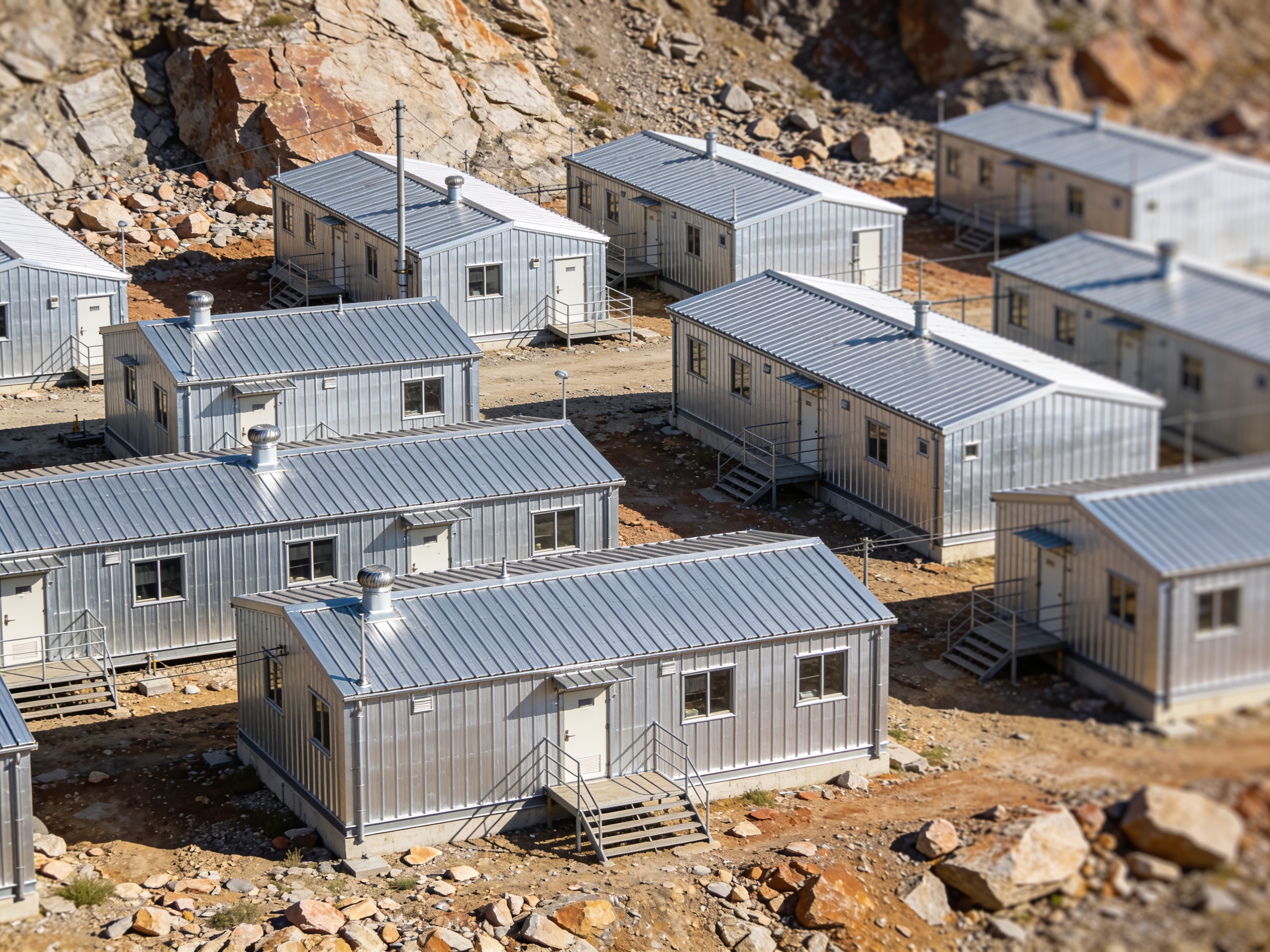
Emergency and disaster response operations demand immediate, reliable infrastructure solutions that can be deployed rapidly and function effectively in challenging environments. Tough Modular specializes in providing modular building packages engineered for such critical applications. Our solutions support a wide range of response needs, from temporary command centers and medical facilities to accommodation, welfare units, and logistical support buildings. These structures are designed for quick assembly and relocation, offering the flexibility required to adapt to evolving disaster scenarios and operational demands.
The inherent modularity of our buildings allows for scalable solutions, meaning infrastructure can be expanded or reconfigured as the response effort progresses. This is particularly valuable in dynamic situations where initial requirements may change significantly over time. We coordinate the sourcing and manufacturing of units that can withstand the rigors of transport and deployment to remote or affected areas. Project specifications may consider factors such as wind, snow, seismic conditions, climate extremes, and specific occupancy requirements to ensure the buildings are fit for purpose.
Effective emergency response relies on robust logistical support. Our multi-building packages can include facilities for administration, communications, storage, and personnel welfare. We work with procurement and project teams to define the specific configuration of each building, ensuring it meets functional requirements and operational timelines. The coordination of international delivery to diverse global locations is a core part of our service, aiming to ensure that critical infrastructure arrives when and where it is needed most.
Understanding the urgency associated with disaster response, our process prioritizes efficient coordination from initial inquiry through to manufacturing and delivery. Our aim is to provide practical, deployable building solutions that contribute to the effectiveness of humanitarian aid, disaster relief, and emergency management efforts globally. This approach helps response organizations establish operational bases quickly, facilitating the delivery of aid and support to affected populations.
Technician insight
When planning for emergency and disaster response modular buildings on a global scale, a common oversight is underestimating the lead times for specialized internal fit-outs and the complexities of international logistics into remote or conflict-affected zones. While the physical modules can be produced efficiently, securing and coordinating specialized medical equipment, communication systems, or specific security enhancements, along with navigating customs and transport challenges in diverse regulatory environments, often introduces unforeseen delays. Early engagement on these specific details is crucial.
Modular Buildings for Emergency and Disaster Response Services We Offer
✓Rapid Deployment Accommodation Units
Modular sleeping quarters and bunkhouses designed for quick setup, providing essential rest facilities for response personnel in temporary or remote operational areas.
✓Mobile Command Centers
Configurable modular units equipped for communication, coordination, and administrative functions, serving as central hubs for emergency management teams.
✓Field Medical Clinics
Modular buildings designed to function as basic medical treatment facilities, first aid stations, or isolation units in disaster-affected regions.
✓Welfare and Sanitation Facilities
Integrated modular solutions for ablutions, laundry, and dining, supporting the health and hygiene needs of personnel during prolonged deployments.
✓Logistical Support Buildings
Modular units purposed for storage, equipment staging, and workshop activities, critical for maintaining operational continuity and supply chains.
✓Multi-Purpose Administrative Offices
Flexible modular office spaces for planning, data management, and coordination, adaptable to various administrative requirements of response operations.
How it works
- 1
Requirements Definition
We collaborate with your procurement and project teams to thoroughly understand the specific operational needs, site conditions, and functional requirements for the modular buildings. This includes defining occupancy, intended use, environmental considerations, and project timelines.
- 2
Scope Review and Configuration
Based on the defined requirements, we review the project scope and propose suitable modular building configurations. This involves selecting appropriate module types, layouts, and internal specifications to align with the operational demands of emergency and disaster response.
- 3
Technical Coordination
Our team coordinates with manufacturers' engineers to ensure that the proposed modular solutions meet the project's technical specifications. This includes considering factors such as structural integrity, internal fit-out, and interface requirements for utility connections, as defined by the project.
- 4
Manufacturing Coordination
We coordinate the manufacturing process, overseeing production schedules and quality control measures to ensure that the modular units are built to specification and ready for timely dispatch. This phase is critical for maintaining project timelines.
- 5
International Delivery Coordination
We manage the logistics of international shipping and delivery to the designated project site. This involves coordinating transport routes, packaging, and necessary documentation to facilitate efficient and secure transit of the modular buildings to their final destination.
Pricing
The cost of modular buildings for emergency and disaster response is influenced by factors such as the number and type of modules required, specific internal fit-out and finishes, the complexity of the configuration, and the destination for international delivery. Customization for specific operational requirements, such as specialized medical or communication infrastructure, also impacts overall project cost.