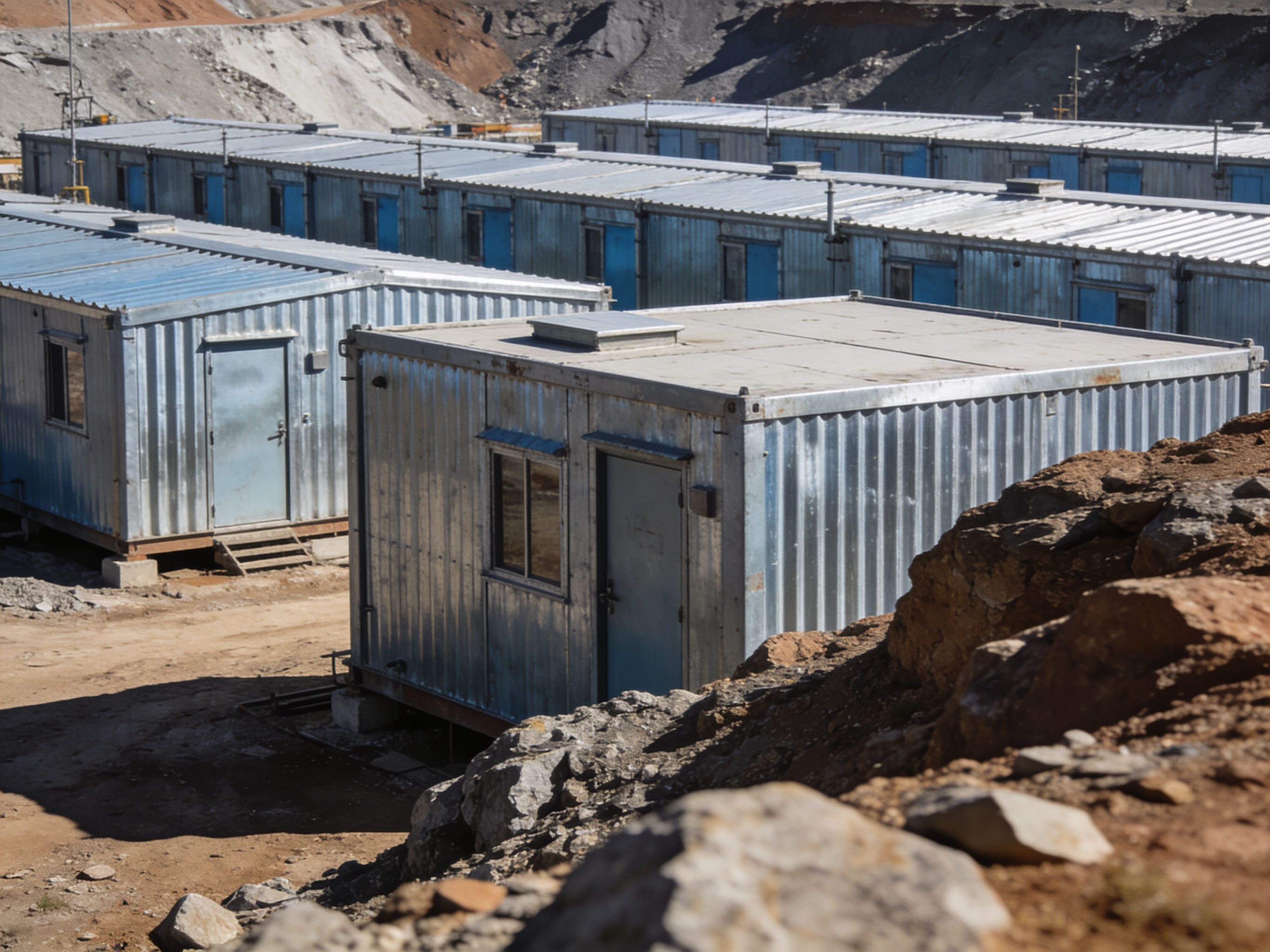
Navigating the complexities of project development in difficult-access locations requires a strategic approach to infrastructure. Tough Modular specializes in the supply chain coordination of modular buildings designed for these challenging environments. This involves a comprehensive understanding of site logistics, transport limitations, and the specific operational requirements that define remote industrial, mining, oil and gas, and renewable energy projects. Our focus is on ensuring that the right building solutions are delivered efficiently, even when faced with significant geographical or infrastructural hurdles.
Effective planning for difficult-access sites begins with a detailed assessment of the project's unique constraints. This includes evaluating available transport routes, potential bottlenecks, and the capabilities of local infrastructure, or lack thereof. Considerations for building design extend beyond functionality to include transportability, ease of assembly, and suitability for the specific climate and environmental conditions. Our coordination services encompass working with manufacturers to align building specifications with these critical project parameters, ensuring that the modular units are fit for purpose upon arrival and throughout their operational life.
The logistical challenges associated with difficult-access sites often necessitate specialized transport solutions. This can range from coordinating oversized cargo movements over unpaved roads to managing shipments that require transloading or multimodal transport. Our role involves liaising with freight forwarders and logistics providers to develop viable transport plans that account for site-specific conditions, regulatory requirements, and project timelines. The objective is to minimize risks and ensure timely delivery, allowing project teams to focus on site preparation and operational readiness.
Beyond transport, the configuration of modular buildings for difficult-access sites also considers on-site assembly and long-term functionality. Buildings may need to be designed for rapid deployment, minimal on-site labor, or future relocation. The selection of materials and construction methodologies is often influenced by factors such as extreme temperatures, high winds, seismic activity, or corrosive atmospheres. We facilitate the alignment of these technical requirements with manufacturing capabilities, ensuring the final product meets the demanding operational needs of projects in remote and challenging locations.
Technician insight
When planning modular building deployment for difficult-access sites, a common oversight is underestimating the lead time required for specialized transport permits and route surveys, particularly in regions with varying infrastructure quality. Proactive engagement with logistics providers to map out the full transport corridor, including potential transload points and local delivery challenges, is critical to avoid project delays.
Modular Buildings for Difficult-Access Sites Services We Offer
✓Remote Site Accommodation Modules
Coordination of modular units for workforce housing, designed for transport and assembly in isolated project locations.
✓Portable Office and Control Buildings
Supply chain management for modular office spaces and control rooms, configured for deployment in areas with limited infrastructure.
✓Specialized Welfare Facilities
Coordination of modular ablution blocks, laundries, and dining facilities, suitable for challenging logistics and remote operation.
✓Technical and Storage Modules
Sourcing and delivery coordination for modular workshops, laboratories, and secure storage units for difficult-access industrial sites.
✓Multi-Module Camp Configurations
Coordination of integrated modular building packages for complete remote camps, optimized for complex logistics and phased deployment.
✓Logistics Route Planning Support
Assistance with preliminary assessments of transport routes and site access for modular building delivery to challenging locations.
How it works
- 1
Project Requirements Definition
We begin by thoroughly understanding your project's specific needs, including site location, access constraints, environmental conditions, occupancy requirements, and operational objectives for the modular buildings. This initial phase establishes the foundation for a tailored solution.
- 2
Scope Review and Feasibility
Our team reviews the defined requirements against manufacturing capabilities and logistical feasibility for difficult-access sites. This includes preliminary assessments of transport options and potential site challenges, informing the optimal modular building approach.
- 3
Building Configuration and Specification
Based on the project scope, we coordinate with manufacturers to develop detailed building configurations and specifications. This includes considerations for module dimensions, materials, internal layouts, and any specific features required for remote or challenging environments.
- 4
Technical Coordination and Documentation
We facilitate technical coordination between your project team and the manufacturer's engineers. This ensures all design aspects, structural considerations, and utility interfaces are aligned with project requirements and documented appropriately for the specific site conditions.
- 5
Manufacturing Coordination and Quality Oversight
Once specifications are finalized, we coordinate the manufacturing process, maintaining communication to ensure production adheres to agreed-upon standards and timelines. This includes monitoring progress and addressing any production-related queries.
- 6
International Delivery Coordination
The final stage involves comprehensive coordination of logistics for international delivery to the difficult-access site. This includes managing freight, customs documentation, and liaising with transport providers to ensure efficient and compliant delivery to the designated project location.
Pricing
The cost of modular buildings for difficult-access sites is primarily influenced by the complexity of the building specifications, the quantity of modules required, and the logistical challenges associated with transport to the remote site. Factors such as specialized material requirements, custom configurations, and the chosen shipping methods significantly impact the overall project investment.