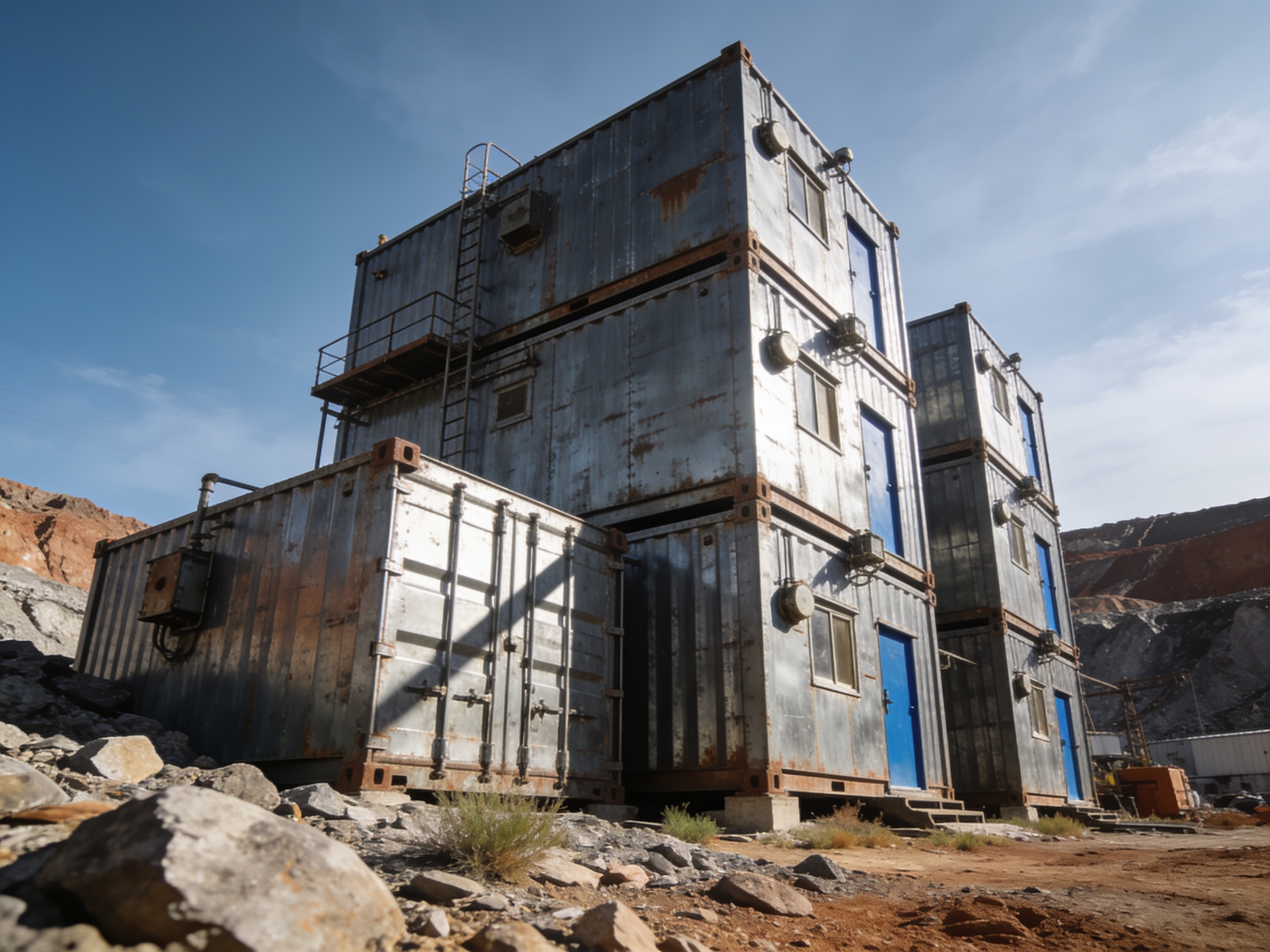
Electrical and technical equipment buildings are purpose-designed modular structures engineered to protect sensitive machinery and control systems in harsh and remote project locations. These buildings are essential for maintaining operational continuity across various industries including mining, oil and gas, renewable energy, and infrastructure development. They provide a controlled environment, safeguarding equipment from extreme weather, dust, and security threats. Tough Modular coordinates the supply of these specialized buildings, ensuring they are configured to meet precise project specifications for equipment integration and environmental protection.
The scope of supply for electrical and technical equipment buildings often involves detailed coordination to integrate client-specified components. This includes considerations for internal layouts to accommodate switchgear, control panels, communication equipment, and HVAC systems. Project requirements may also include specific access points, cable entries, and internal finishes suitable for technical applications. Our process focuses on understanding these detailed requirements to facilitate the sourcing and manufacturing of units that align with the functional demands of the equipment they house.
Project-specific factors such as climate, altitude, and potential for seismic activity are considered during the specification phase to ensure the modular buildings are suitable for their intended operational environment. While Tough Modular does not perform engineering, design, or certification, we coordinate with manufacturers whose engineering teams can address these considerations. This ensures that the supplied buildings are aligned with the overall project's performance criteria, including aspects related to thermal management, ventilation, and security protocols. The goal is to provide a robust enclosure that supports the reliable operation of critical technical assets.
Beyond the primary structure, coordination extends to ensuring the building is prepared for final site integration. This can involve pre-installed electrical conduits, data cabling pathways, and provisions for fire suppression systems, as defined by the client. The modular nature of these buildings allows for efficient manufacturing and transport to challenging project sites globally. We work with procurement and project teams to define the exact configuration and features required, facilitating a streamlined supply chain from factory to delivery point.
Technician insight
When supplying electrical and technical equipment buildings for projects in very remote, high-altitude regions, a common oversight is not fully accounting for the reduced atmospheric pressure's impact on cooling systems and generator performance. This often necessitates adjustments in fan sizing, radiator capacity, and engine tuning to maintain efficiency and prevent overheating, which can add unexpected lead time if not identified early in the specification phase.
Electrical and Technical Equipment Buildings Services We Offer
✓Control Room Modules
Dedicated modular units designed to house operational control systems and personnel, often including provisions for sophisticated monitoring equipment, climate control, and ergonomic workspaces.
✓Switchgear and Substation Buildings
Robust modular buildings configured to protect high-voltage switchgear, transformers, and electrical distribution equipment, with layouts that facilitate safe access and maintenance.
✓Data and Communication Shelters
Specialized enclosures for sensitive data servers, communication arrays, and network infrastructure, providing environmental control, security, and structured cabling pathways.
✓Generator and Power Plant Enclosures
Modular structures designed to house generators, backup power systems, and associated fuel storage, often incorporating ventilation, exhaust routing, and noise attenuation considerations.
✓Laboratory and Testing Facilities
Modular buildings adapted for various testing and laboratory functions, including provisions for specialized equipment, fume hoods, and appropriate safety features as required by the client.
✓Integrated Equipment Skids
Modular solutions where equipment is pre-mounted onto a transportable skid or frame within a modular enclosure, allowing for rapid deployment and connection on site.
How it works
- 1
Project Requirements Definition
We begin by engaging with your procurement, engineering, and project teams to thoroughly understand the specific technical, operational, and environmental requirements for your electrical and technical equipment buildings. This includes equipment dimensions, power needs, climate control, security, and site conditions.
- 2
Scope Review and Configuration
Based on the defined requirements, we review the project scope and coordinate the configuration of modular units. This involves considering internal layouts, access points, cable management, and integration points for client-supplied equipment, ensuring the proposed solution aligns with functional needs.
- 3
Technical Coordination
We facilitate technical coordination with manufacturers' engineering teams to ensure the building specifications account for factors such as wind, snow, seismic conditions, corrosion exposure, thermal performance, and local code considerations relevant to the project site. This ensures the building is prepared for the intended environment.
- 4
Manufacturing Coordination
Once configurations are finalized, we coordinate the manufacturing process. This includes overseeing production timelines and quality checks to ensure the modular buildings are constructed to the agreed-upon specifications and standards.
- 5
International Delivery Coordination
We manage the logistics of transporting the finished modular buildings from the manufacturing facility to your project site, anywhere in the world. This includes coordinating shipping, customs documentation, and delivery schedules to ensure timely arrival.
Pricing
The cost of electrical and technical equipment buildings is primarily influenced by the complexity of internal fit-out, specialized environmental controls (e.g., advanced HVAC, fire suppression), structural enhancements for extreme conditions, and the overall size and number of units required. Customization for specific equipment integration also plays a significant role.