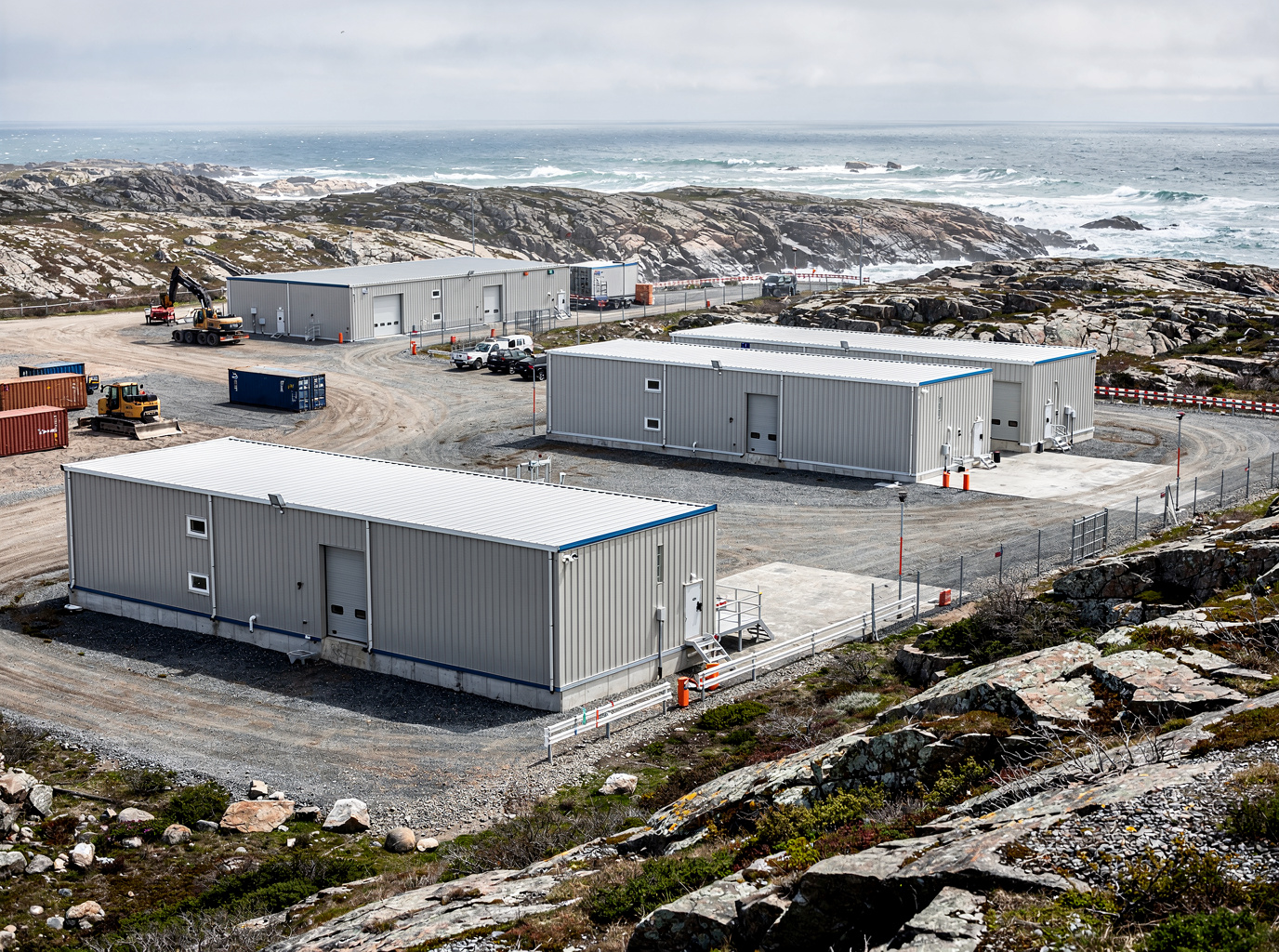
Projects situated in coastal and marine environments present distinct challenges for infrastructure, primarily due to the corrosive effects of saltwater, high humidity, and often elevated wind loads. These conditions necessitate careful consideration of material selection, structural integrity, and logistical planning for building deployment. Modular construction offers an effective solution by allowing for off-site fabrication under controlled conditions, minimizing on-site exposure to harsh elements and reducing construction timelines. This approach is particularly beneficial for remote coastal sites, offshore platforms, or port facilities where conventional construction methods are often impractical or cost-prohibitive. We focus on coordinating the supply of buildings engineered to meet the specific demands of these challenging locations, ensuring they are fit for purpose and can withstand the operational environment.
The selection of appropriate materials and finishes is critical for longevity in coastal and marine settings. Components exposed to the elements, such as exterior cladding, roofing, and structural steel, must be specified with corrosion resistance in mind. This includes considering specialized coatings, marine-grade alloys, or composite materials that can endure prolonged exposure to salt spray and high moisture levels without degradation. Internal environments also require attention, with HVAC systems needing to manage humidity effectively to prevent mold and maintain comfortable conditions for occupants. Our coordination efforts ensure that manufacturers are aware of these specific environmental factors and incorporate suitable material specifications and construction techniques into the building design.
Logistical planning for modular buildings in coastal and marine environments is complex, often involving sea transport, barge operations, or specialized heavy lift equipment for placement. Access to remote coastal sites can be limited, requiring detailed route surveys and coordination with port authorities. Offshore projects introduce additional layers of complexity related to vessel availability, weather windows, and strict safety protocols. We manage the intricate process of coordinating manufacturing schedules with transport logistics to ensure timely delivery to the project site. This includes liaising with freight forwarders and transport specialists experienced in handling oversized cargo for challenging destinations, facilitating a streamlined supply chain from factory to final placement location.
Beyond the physical challenges, regulatory compliance and operational requirements in coastal and marine zones are stringent. Projects may need to adhere to specific environmental protection regulations, maritime safety standards, and local building codes that account for extreme weather events. The modular buildings supplied must be configured to support the specific functions of the project, whether for accommodation, offices, control rooms, or technical facilities. This involves detailed discussions with project teams to define occupancy requirements, internal layouts, utility connections, and any specialized equipment integration. We facilitate the communication between project stakeholders and manufacturers to ensure that all functional and regulatory aspects are addressed in the building specifications.
Technician insight
When planning for coastal and marine projects, one critical aspect often underestimated is the long-term impact of salt air on all exposed components, not just the obvious structural elements. Even seemingly minor fixtures or external utility connections can degrade rapidly without appropriate material selection or protective coatings. A thorough review of every external component's resistance to corrosion is essential to avoid premature maintenance issues.
Coastal and Marine Environment Modular Buildings Services We Offer
✓Corrosion-Resistant Exterior Finishes
Coordination for buildings featuring exterior materials and coatings selected for enhanced resistance to salt spray and high humidity environments.
✓High Wind Load Considerations
Planning for building structures and cladding systems that account for elevated wind pressure requirements typical of coastal exposures.
✓Humidity Control Systems Integration
Specification coordination for HVAC systems designed to manage internal humidity levels, crucial for occupant comfort and preventing moisture-related issues in marine climates.
✓Specialized Transport Logistics
Management of complex shipping and handling for modular units, including sea freight, barge transport, and heavy lift coordination for remote or offshore placements.
✓Multi-Module Project Compounds
Supply of integrated building packages comprising accommodation, offices, and support facilities configured for specific project requirements in coastal settings.
✓Remote Site Delivery Coordination
Logistical planning for delivery to sites with limited infrastructure, often requiring specialized equipment and detailed route assessments.
How it works
- 1
Project Requirements Definition
We initiate the process by collaborating with your team to thoroughly define the project's specific needs, including operational functions, occupancy, site conditions, and environmental factors. This includes discussing potential wind, snow, seismic conditions, climate, heat, cold, altitude, corrosion exposure, occupancy, fire and life safety considerations, local code requirements, transport restrictions, and site-specific challenges.
- 2
Scope Review and Technical Specification
Based on the defined requirements, we conduct a detailed scope review. This phase involves translating operational needs into technical specifications for the modular buildings, considering material selection for corrosion resistance, structural configurations for wind loads, and internal environmental controls suitable for coastal and marine environments. This stage defines the scope to be provided by Tough Modular and the scope to be defined by the client, the manufacturer's engineers or local contractors (e.g. excavation, foundations, site preparation, unloading, craning, installation, utility connections, permitting, inspections, customs clearance, route surveys, structural calculations, local engineering or civil works).
- 3
Configuration and Layout Planning
Working with the project's functional demands, we coordinate the optimal building configurations and internal layouts. This includes single-module units, multi-module joined buildings, or stacked configurations, ensuring efficient use of space and alignment with operational workflows and safety protocols.
- 4
Manufacturing Coordination
Once specifications are finalized, we coordinate with our network of manufacturers to initiate production. This involves overseeing the fabrication process to ensure adherence to specified materials, construction techniques, and quality standards, with a focus on features critical for coastal and marine durability.
- 5
International Delivery Coordination
We manage the complex logistics of international shipping and site delivery. This includes coordinating sea freight, specialized transport for oversized modules, and managing customs procedures to ensure the buildings arrive at the project site efficiently and on schedule. This does not include customs clearance.
Pricing
The cost of modular buildings for coastal and marine environments is influenced by factors such as material specifications for corrosion and wind resistance, complexity of internal fit-out, overall building size and number of modules, and the logistical challenges associated with international transport and remote site delivery. Project-specific requirements for structural resilience and environmental controls are significant cost drivers.