2026-09-24 ·
Transport and Shipping Planning for Modular Buildings
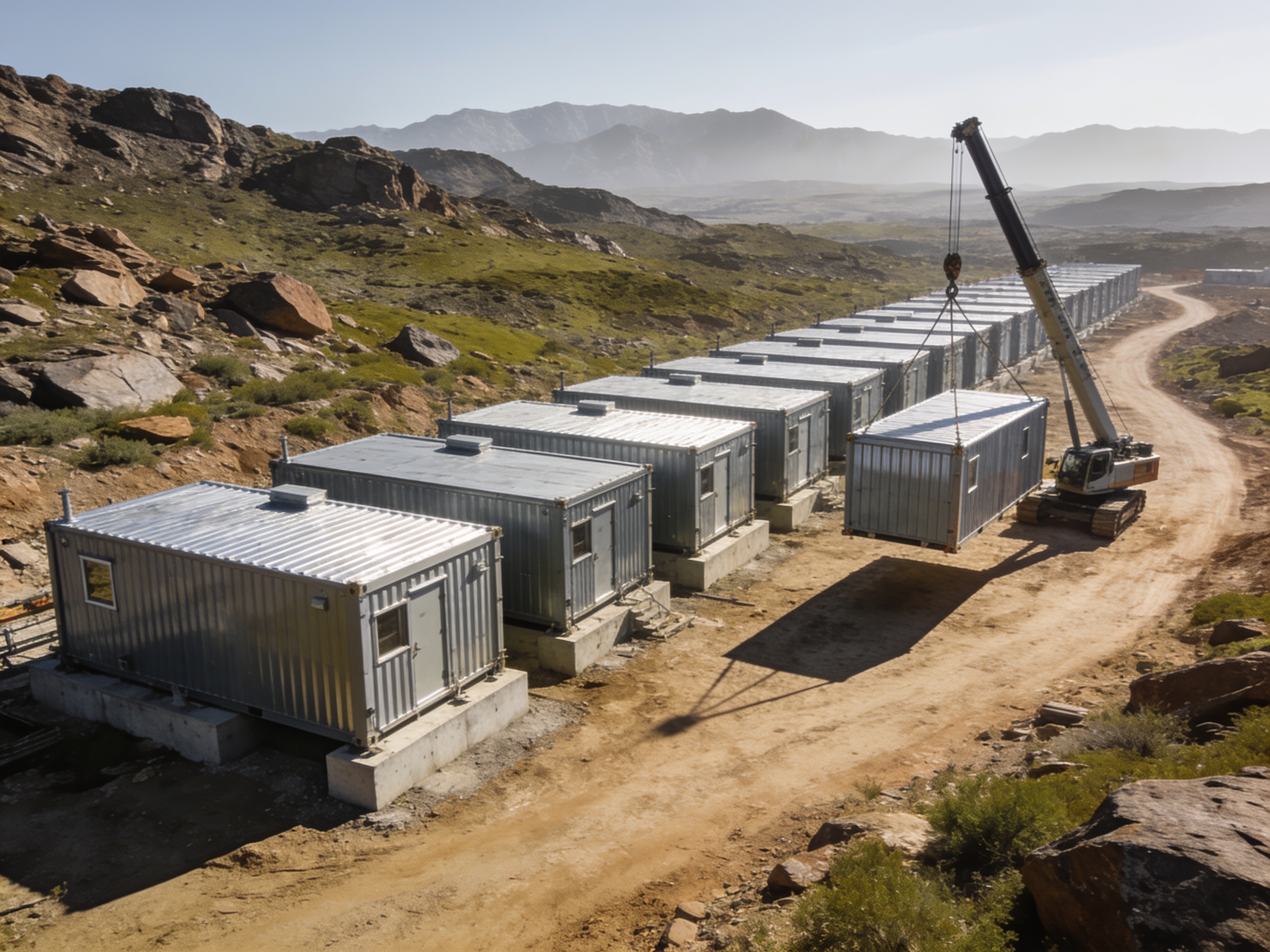
Efficient transport and shipping planning for modular buildings typically begins as early as the project's conceptual phase, impacting lead times that can range from a few weeks for smaller, readily available units to several months for large, custom-fabricated complexes. The exact duration and cost depend heavily on the building type—whether it's a volumetric module, a flat-pack unit, or a panelized system—the distance to the project site, the mode of transport, and the complexity of site access. Procurement teams need to integrate these logistical considerations into their RFQ process to ensure comprehensive planning from the outset, enabling a smoother project execution. Understanding the nuances of each transport mode and its implications for modular construction is paramount for successful project delivery, especially for remote and challenging environments.
Understanding Modular Cargo Types and Their Impact on Logistics
Modular buildings can be broadly categorized into volumetric modules, flat-pack modules, and panelized systems, each presenting unique transport challenges and opportunities. Volumetric modules are essentially three-dimensional units, often fully fitted out, that are shipped as oversized cargo. Their dimensions frequently exceed standard road transport limits, necessitating specialized permits, escorts, and route surveys, which add significantly to both cost and transit time. These modules are typically moved on multi-axle trailers or heavy-lift vessels. For example, a single volumetric module might measure 12 meters long, 3.5 meters wide, and 3.2 meters high, requiring careful planning for bridges, tunnels, and turns along the route.
In contrast, flat-pack modules are designed to be disassembled or collapsed for transport, allowing multiple units to be stacked on a single truck or in a standard shipping container. This significantly reduces transport volume and costs, particularly for international shipments, as they can utilize conventional freight networks. Flat-pack vs Volumetric Modular Buildings provides a deeper dive into these differences. Panelized systems involve shipping individual wall, floor, and roof panels, which are then assembled on-site. This method offers the greatest transport efficiency per unit of building area, as panels can be nested or stacked compactly. However, it requires more on-site assembly time and labor. The choice of modular building type directly influences the transport strategy, cost estimates, and project schedules, making it a critical early decision for project managers.
Key Considerations for Site Access and Infrastructure
The physical characteristics of the project site and the surrounding infrastructure play a decisive role in transport planning. Site access roads must be capable of supporting the weight and dimensions of transport vehicles, especially for oversized volumetric modules. This includes evaluating road width, turning radii, bridge load capacities, and overhead clearances (e.g., power lines, overpasses). Remote sites, common in mining, energy, and infrastructure projects, often require upgrading existing tracks or constructing temporary access roads to facilitate delivery. For example, a remote mining camp might need 50 kilometers of graded road to accommodate heavy haulage trucks carrying modular units.
Furthermore, the laydown area at the site must be sufficient for offloading, temporary storage, and staging of modular components. This area should be level, well-drained, and large enough to maneuver cranes and other heavy equipment. Weather conditions also heavily influence transport schedules, particularly in regions prone to heavy snow, ice, or seasonal flooding, which can render roads impassable or restrict transport windows. For projects in Cold Climate and Arctic Modular Buildings or Desert and High Heat Modular Buildings environments, these factors are particularly pronounced and require robust contingency planning. Understanding these site-specific challenges early helps mitigate delays and cost overruns during the transport phase.
Documentation, Permits, and Customs Requirements
Navigating the administrative aspects of modular building transport is as crucial as the physical logistics. For oversized cargo, specialized permits are required from various jurisdictions along the transport route. These permits often specify travel times, escort requirements, and approved routes. The application process for these permits can be lengthy, sometimes taking several weeks, and must be initiated well in advance. For international shipments, customs documentation is extensive and varies significantly by country. This includes commercial invoices, packing lists, bills of lading, certificates of origin, and potentially import licenses or declarations specific to building materials.
Accurate and complete documentation is essential to avoid delays at borders or ports. Errors can lead to significant demurrage charges, storage fees, and project timeline disruptions. Project teams should work closely with experienced freight forwarders who specialize in international heavy-haul and project cargo. They can help identify all necessary permits, manage customs clearance processes, and ensure compliance with local regulations. For example, shipping modules to a project in Australia or Saudi Arabia will involve distinct customs procedures and regulatory frameworks that must be meticulously followed. Proactive management of these administrative requirements is a cornerstone of successful modular building logistics.
Marine and Air Freight Considerations
For projects located overseas or in extremely remote areas inaccessible by road, marine freight often becomes the primary mode of transport. Modular buildings can be shipped as breakbulk cargo on specialized heavy-lift vessels, or if dimensions allow, within standard or open-top shipping containers. When using breakbulk, precise planning for port handling, including crane capacity and berth availability, is critical. The choice of port can significantly impact inland transport costs and times. For example, selecting a port closer to the final site, even if it's smaller, might reduce overall logistics expenses compared to using a major hub that requires extensive onward road transport.