2026-09-24 ·
Modular Building Logistics for Remote Industrial Projects
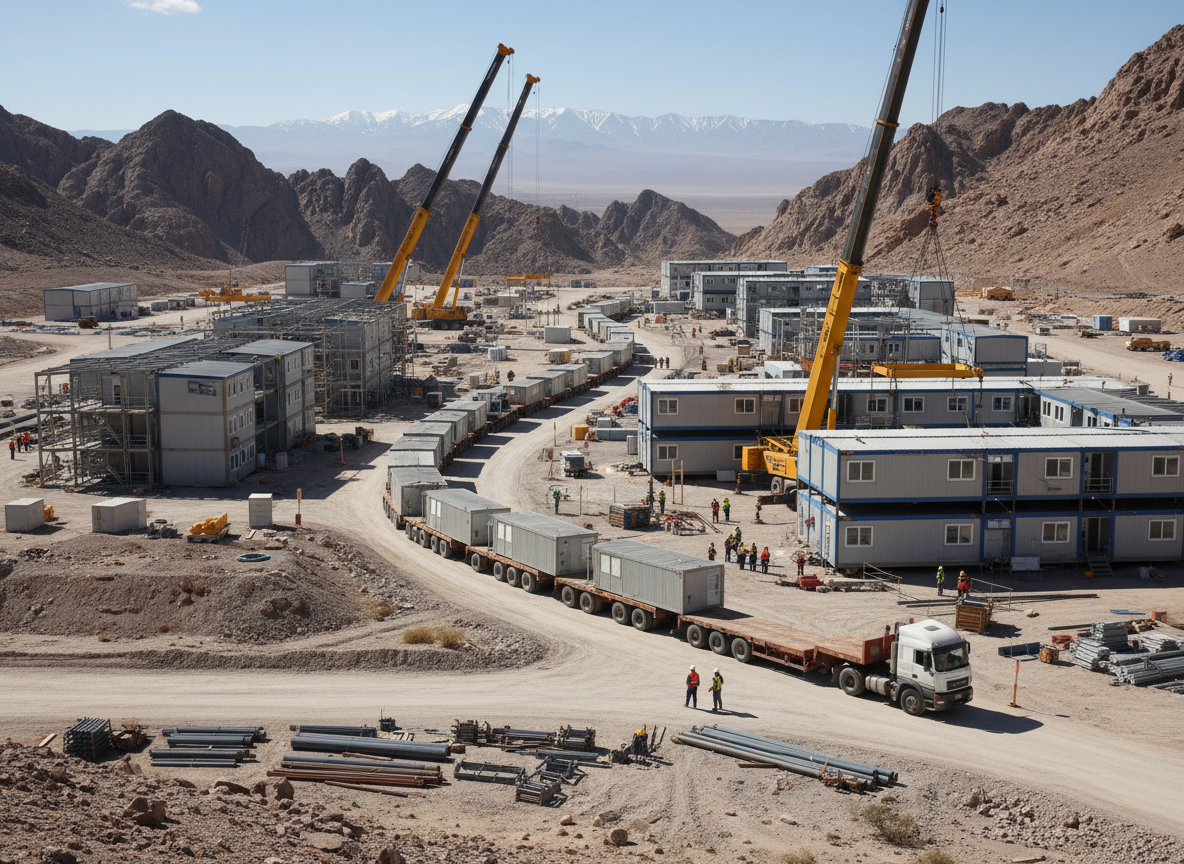
Modular building logistics for remote industrial projects can be highly complex, often involving multiple modes of transport and extensive planning to overcome geographical challenges. Project teams should anticipate lead times that can range from a few weeks for standard modules transported by road in accessible areas, to several months for highly customized units requiring specialized ocean freight, air cargo, or overland transport through undeveloped terrain. The primary factors influencing this timeline include the manufacturing schedule, the distance to the site, the available transport infrastructure, and the specific characteristics of the modules themselves, such as their size and weight. A detailed logistics plan, developed early in the project lifecycle, is essential for mitigating risks and maintaining project schedules.
Site Accessibility and Transport Modes
The physical accessibility of a remote project site is the foundational element determining logistics strategy. Project teams must assess road conditions, including width, load-bearing capacity of bridges, and seasonal closures due to weather. For sites reachable by road, heavy-haul trucking is the most common method, often requiring specialized trailers for oversized or overweight modules. In regions with limited road networks, rail transport can be an efficient option for long distances, particularly for multiple modules, provided there is rail siding access near the manufacturing facility and the project site. For global projects, ocean freight is frequently used, transporting modules on flat racks, in open-top containers, or as breakbulk cargo, which necessitates careful planning for port handling and onward delivery. In extremely remote or challenging environments, air cargo might be considered for critical components, though its cost is significantly higher. Understanding these constraints early allows for the selection of appropriate module sizes and transport methods, directly impacting project timelines and budgets.
Project managers should also consider multi-modal transport scenarios. For example, modules might travel by rail to a port, then by ocean vessel, and finally by heavy-haul truck to the final destination. Each transfer point introduces potential delays and requires meticulous coordination. Detailed site surveys are indispensable to identify potential bottlenecks, such as narrow access roads, steep inclines, or areas requiring temporary road improvements. The choice of transport mode also influences the module design itself; for instance, modules intended for sea freight might be designed to fit within standard shipping containers or to be stackable on deck, optimizing space and reducing costs. Early engagement with logistics specialists can help identify the most efficient and cost-effective transport solutions for the specific site conditions, considering factors like the availability of suitable equipment and experienced operators in the target region. For projects in challenging environments, exploring options like cold climate and arctic modular buildings or desert and high heat modular buildings may also influence transport requirements due to specialized packaging or handling needs.
Planning and Scheduling Considerations
Effective logistics planning requires a comprehensive understanding of the entire project timeline. Manufacturing lead times must be integrated with transportation schedules to ensure modules arrive on site when needed, but not so early that they create storage challenges. Project teams should account for potential delays at various stages, including customs clearance, weather-related disruptions, and unexpected infrastructure issues. Developing a detailed logistics schedule with clear milestones and contingency plans is crucial. This schedule should outline:
- Module readiness dates at the manufacturing facility.
- Estimated transit times for each leg of the journey.
- Customs and port clearance durations, which can vary significantly by country.
- On-site delivery windows to coordinate with site preparation and assembly crews.
- Back-up transport options in case of unforeseen circumstances.
Precise coordination between the module supplier, freight forwarders, customs brokers, and on-site project teams is paramount. Regular communication and status updates help in proactive problem-solving. For projects involving numerous modules, such as complete remote camps and project compounds, a phased delivery approach might be more practical to manage site congestion and optimize assembly sequenc
Cost Factors and Budgeting
Logistics costs can represent a significant portion of the overall project budget for remote industrial modular buildings. Project teams must accurately estimate these costs to avoid budget overruns. Key cost factors include:
- Freight charges: These depend on the distance, transport mode, module dimensions, and weight. Specialized equipment for oversized loads or hazardous materials will incur higher costs.
- Fuel surcharges: Volatile fuel prices can impact transport costs, particularly for long-haul trucking or ocean freight.
- Port and terminal handling fees: These include charges for loading, unloading, storage, and drayage at ports and rail terminals.
- Customs duties and taxes: These vary by country and the type of goods. Engaging experienced customs brokers is essential for accurate assessment and smooth clearance.
- Insurance: Comprehensive transit insurance is vital to protect against damage or loss during transportation.
- Escort services and permits: Oversized loads often require special permits and escort vehicles, adding to the cost and complexity.
- Site access improvements: Costs associated with upgrading roads, building temporary bridges, or preparing laydown areas at the project site.
- Storage costs: If modules arrive before the site is ready, temporary storage can incur additional expenses.
Accurate budgeting requires detaile
Effective modular building logistics for remote industrial projects hinges on meticulous planning, a deep understanding of site-specific constraints, and robust coordination across all stakeholders. By proactively addressing site accessibility, selecting appropriate transport modes, developing detailed schedules, and accurately budgeting for all associated costs, project teams can ensure the efficient and timely delivery of their modular solutions.