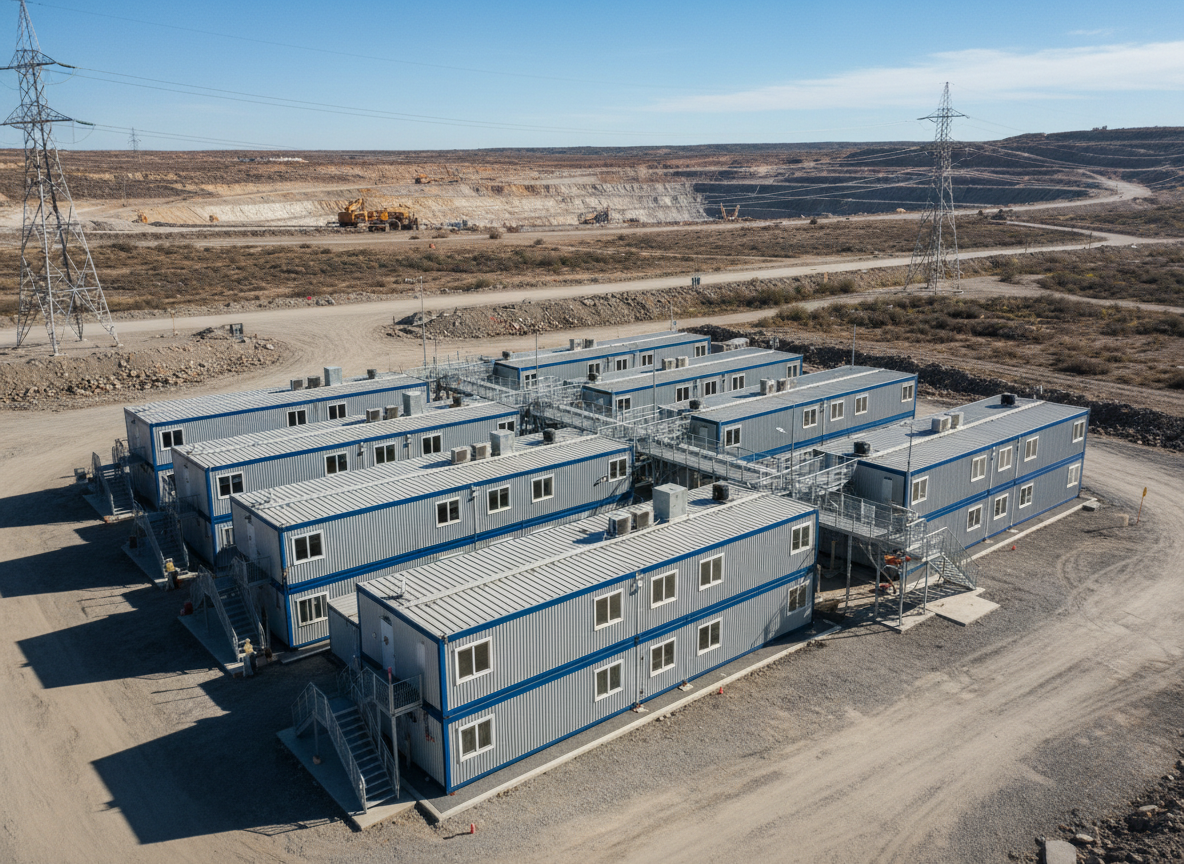
Zambia's economic landscape is significantly shaped by its natural resources, particularly copper mining, which drives substantial demand for robust and adaptable infrastructure. Project sites, often located in remote areas of the Copperbelt Province or Northwestern Province, require self-sufficient facilities for workforce accommodation, operational offices, and specialized technical support. The logistical challenges of transporting materials across vast distances and varying terrain within the country make modular construction a highly efficient solution for establishing temporary or permanent project compounds.
The operational environment in Zambia presents unique considerations, including a tropical climate with distinct wet and dry seasons, and elevations that can exceed 1,000 meters in many project areas. These conditions necessitate modular buildings engineered for durability, thermal efficiency, and pest control. Furthermore, the need to house and support large workforces, often from diverse backgrounds, requires well-planned camp facilities that prioritize health, safety, and comfort, ensuring productivity and retention in challenging locales. International project teams benefit from modular solutions that streamline deployment and minimize on-site construction timelines.
Around Zambia
We regularly work near:
- 📍Copperbelt Province
- 📍Northwestern Province
- 📍Lusaka
- 📍Livingstone
- 📍Ndola
- 📍Kansanshi Mine
Modular Buildings in Zambia — Local Notes
- •Logistical planning for modular building delivery in Zambia must account for primary ports of entry such as Dar es Salaam in Tanzania or Durban in South Africa, followed by extensive inland transport via road or rail. The condition of secondary roads, especially during the rainy season (November to April), can impact delivery schedules and require specialized transport vehicles.
- •Project sites in Zambia frequently experience high daytime temperatures, particularly in the dry season, alongside significant temperature drops at night and during the cooler months. Modular buildings must be designed with appropriate insulation, ventilation, and HVAC systems to maintain comfortable internal environments for personnel and sensitive equipment.
- •The provision of essential services like water, power, and waste management is often entirely self-contained within remote project compounds. Modular solutions facilitate the integration of these utilities, reducing the reliance on local infrastructure and ensuring operational continuity in isolated locations.
- •Local building codes and permitting processes in Zambia vary by district and project type. Project teams must undertake due diligence to confirm all necessary approvals and ensure modular building specifications comply with national and local regulations before deployment.