2026-09-24 ·
Planning Modular Buildings for Difficult-Access Sites
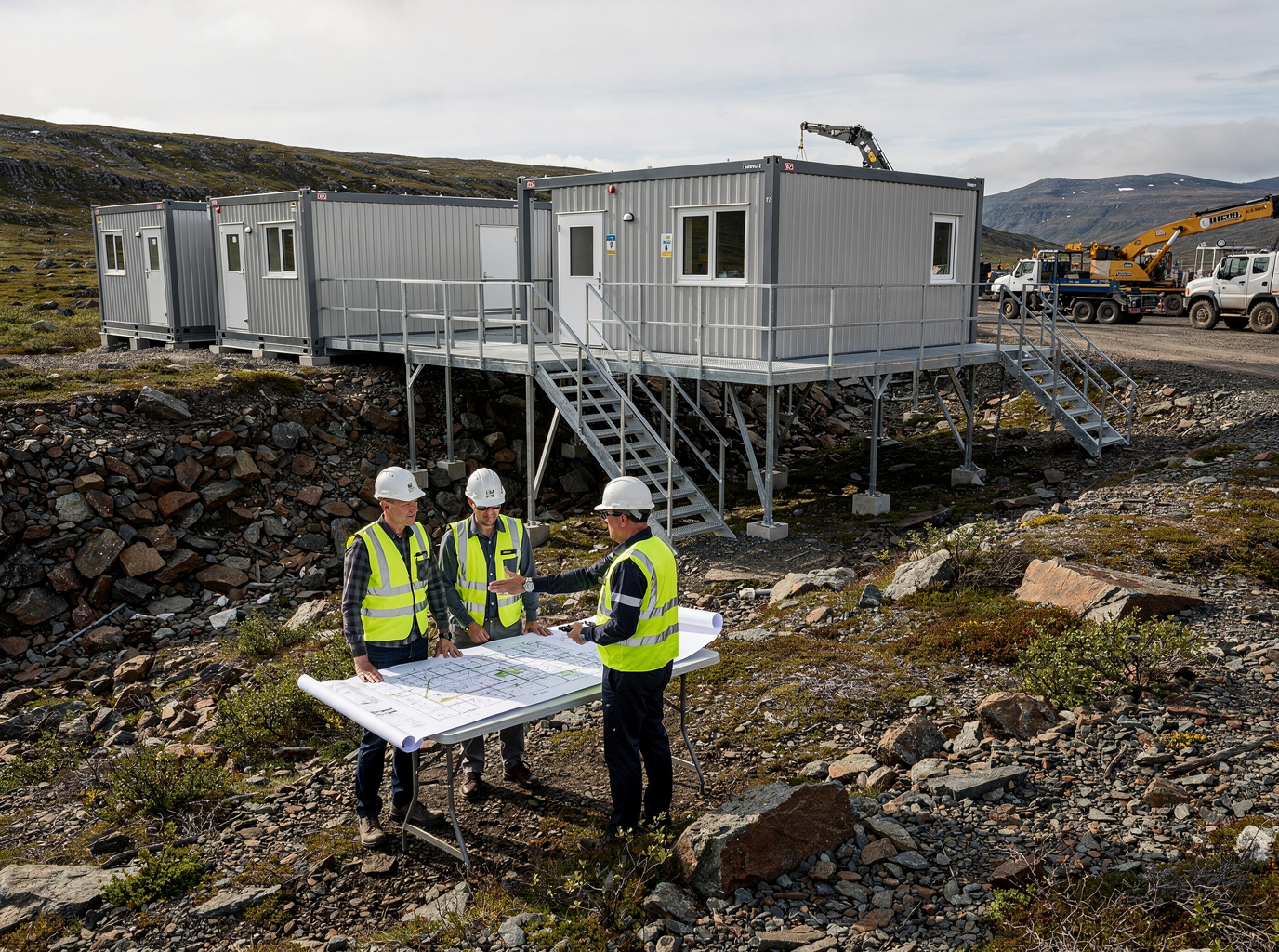
Planning modular buildings for difficult-access sites requires a comprehensive approach that considers every phase from initial design to final deployment. The primary challenge lies in the logistics of transporting large, pre-fabricated modules to locations that may lack developed infrastructure, stable roads, or sufficient space for heavy equipment. Effective planning involves detailed site assessments, strategic module selection, and a clear understanding of the project's specific environmental and operational demands to mitigate risks and ensure timely, cost-effective delivery.
Site Assessment and Logistics Planning
Before any modular building is specified, a thorough site assessment is paramount, especially for remote or challenging locations. This assessment should go beyond basic topography to include detailed analyses of access routes, potential staging areas, and the ground conditions at the intended final placement. For example, a site in a mountainous region might necessitate smaller module sizes or specialized transport vehicles due to narrow, winding roads, while a project in an arctic environment will require consideration of permafrost conditions and seasonal access windows. Understanding these constraints early allows procurement teams to specify modules that are genuinely deliverable.
Logistics planning must account for the entire journey from the manufacturing facility to the project site. This includes identifying potential choke points such as low bridges, weight-restricted roads, or ferry crossings that could limit module dimensions or require specific permitting. The availability of local heavy lifting equipment, such as cranes or specialized forklifts, also needs to be confirmed. In extremely remote locations, it may be necessary to factor in the cost and lead time for mobilizing such equipment from distant hubs. This detailed logistical mapping helps in developing a realistic project timeline and budget, avoiding costly delays and unexpected challenges during the deployment phase.
Module Specification for Remote Deployment
The specifications for modular buildings destined for difficult-access sites must reflect the unique challenges of their environment and transport. Project teams should focus on module dimensions and weight as primary drivers. While larger modules can reduce on-site assembly time, they also increase transport complexity. For sites with severe access restrictions, smaller, more manageable modules or even flat-pack systems may be the only viable option. For example, a project deep within a jungle or desert may benefit from modules designed for air freight or overland transport across challenging terrain, where each unit's size and mass are critical. Consider the trade-off between fewer, larger modules and more, smaller units, factoring in local transport capabilities and costs.
Beyond physical dimensions, the durability and resilience of the modules during transit are crucial. Modules must be robust enough to withstand the rigors of long-distance transport over unpaved roads, potential vibrations, and varying climatic conditions. This might involve specifying reinforced lifting points, protective packaging for delicate components, or internal bracing to prevent shifting during transit. For projects in extreme climates, such as those requiring cold climate and arctic modular buildings or desert and high heat modular buildings, the module design must also anticipate the environmental stresses it will encounter both during transport and once installed. Clear communication with the modular building supplier about the expected transport conditions is essential.
On-Site Preparation and Resource Management
Even with meticulously planned logistics and appropriately specified modules, successful deployment on difficult-access sites hinges on thorough on-site preparation. This includes preparing the access roads, creating suitable staging areas for module offloading, and ensuring the final placement area is ready. For example, unstable ground conditions might necessitate significant civil works to create a stable foundation, impacting both cost and schedule. The availability of water, power, and waste management facilities during the installation phase also needs to be planned, particularly for projects in truly isolated locations where these resources are not readily available.
Effective resource management on site is equally critical. This involves coordinating the arrival of modules with the availability of installation crews and specialized equipment. For remote sites, housing and feeding the installation team, providing medical support, and managing communication can be complex undertakings. Consider the logistics of bringing in heavy machinery like cranes, ensuring they can access the placement areas, and have sufficient operational space. Unexpected delays due to lack of equipment, personnel, or site readiness can quickly escalate project costs. A detailed site readiness checklist and a contingency plan for common issues can significantly streamline the deployment process.
Successful deployment of modular buildings to difficult-access sites is ultimately a function of proactive planning and a deep understanding of the unique challenges involved. By focusing on detailed site assessments, strategic module specification, and meticulous on-site preparation, project teams can overcome logistical hurdles and ensure their remote projects proceed efficiently. Project teams can Request a Quotation or Discuss Your Project with Tough Modular to refine their plans.